
Dr. Pen M8 Microneedling Pen: How It Works, Benefits, Side Effects, and Cost
Introduction
Microneedling has become a familiar treatment in professional skincare because it offers a minimally invasive approach to improving the appearance and texture of the skin. For estheticians, spa owners, and skincare professionals, choosing the right equipment involves more than comparing features. Treatment protocols, cartridge compatibility, infection control, and client suitability all influence the outcome.
The Dr. Pen M8 microneedling pen is a pen-style device designed to move a needle cartridge rapidly in and out of the skin. Depending on the device configuration, treatment protocol, and practitioner’s training, microneedling may help improve the appearance of certain acne scars, fine lines, and uneven skin texture.
However, the M8 is not a universal solution for every skin concern, and results are not guaranteed. The depth of treatment, individual skin characteristics, and appropriate aftercare all matter. It is also important to distinguish professional microneedling from superficial cosmetic treatments performed at home.
This guide explains how the Dr. Pen M8 works, its potential benefits and risks, what treatment may cost, and how to select compatible replacement cartridges for different professional or cosmetic applications.
What Is the Dr. Pen M8 Microneedling Pen?
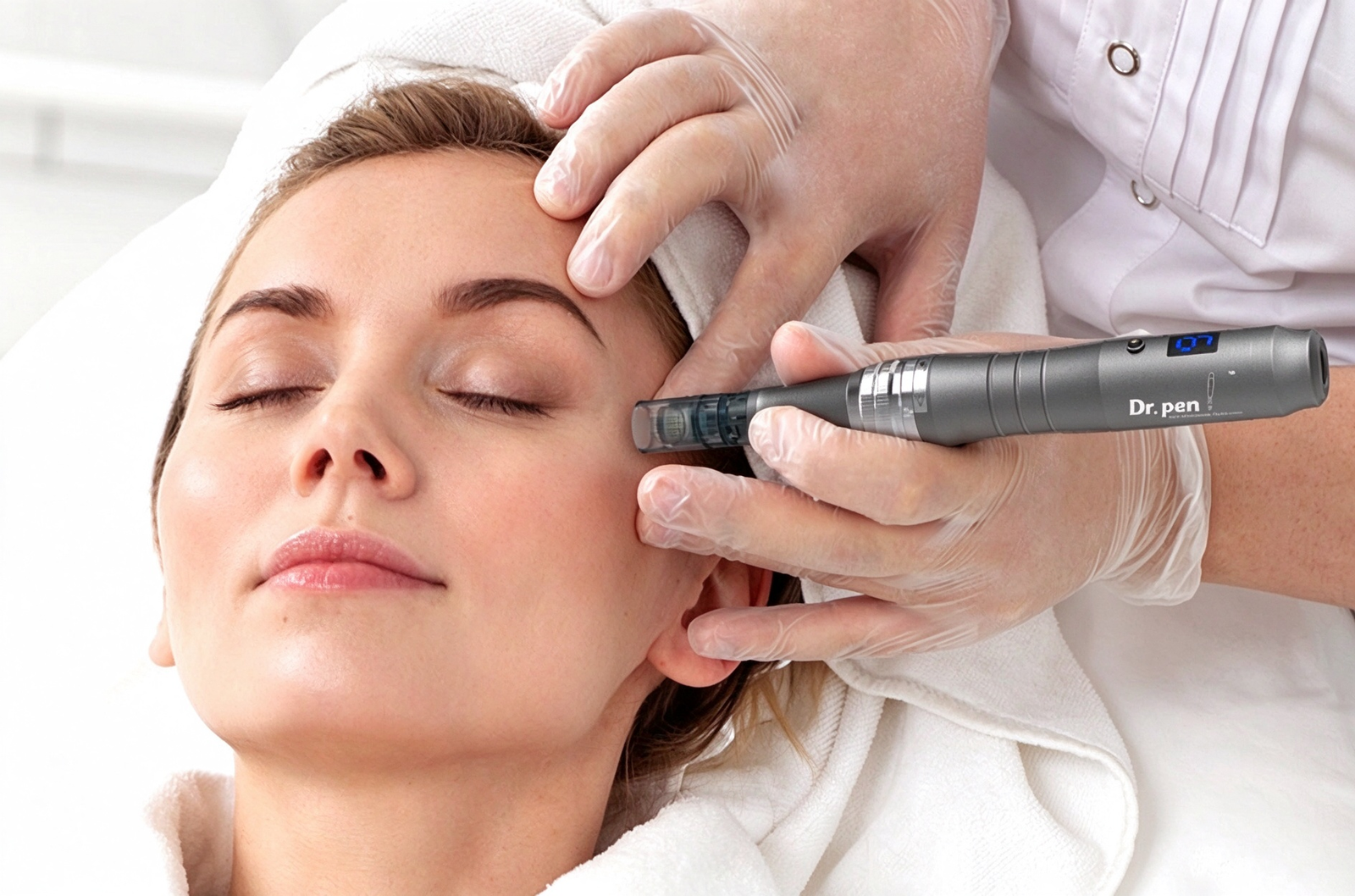
The Dr. Pen M8 is a motorized microneedling pen that uses a detachable needle cartridge. The motor drives the needles in and out of the skin, creating controlled micro-injuries when the device is used at a depth and setting appropriate for the intended treatment.
Unlike a traditional dermal roller, which moves needles across the skin as the roller turns, a microneedling pen delivers repeated vertical needle movements. This pen-style design gives a trained practitioner greater control over the treatment area and allows different cartridge configurations to be selected according to the device’s compatibility and the treatment plan.
The M8 system generally consists of three main components:
- Handpiece: The motorized body that houses the drive mechanism and controls.
- Needle cartridge: The replaceable tip containing the needles or contact elements.
- Power and control system: The components used to operate the device and adjust available settings.
The number and arrangement of needles affect how the cartridge contacts the skin, but they do not independently determine treatment depth, safety, or effectiveness. A higher pin count is not automatically better for every treatment.
For salons and clinics considering the M8, cartridge compatibility should be confirmed before purchasing replacement tips. Cartridges made for other Dr. Pen models are not necessarily interchangeable simply because they look similar.
Important: A device’s brand name or commercial availability does not establish that every use is authorized in every country. Professionals should verify the specific device’s regulatory status, labeling, and permitted uses in their jurisdiction.
How Does the Dr. Pen M8 Microneedling Pen Work?
Microneedling works by creating controlled microscopic punctures in the skin. These punctures initiate a wound-healing response involving inflammation, tissue repair, and remodeling.
During the healing process, the skin produces and reorganizes structural components, including collagen. This biological response is the basis for using appropriately performed microneedling to improve the appearance of certain scars and wrinkles.
A typical professional treatment involves several stages.
1. Skin Assessment and Preparation
Before treatment, the practitioner evaluates the client’s skin condition, medical history, medications, previous procedures, and treatment goals.
Active infections, inflamed skin conditions, a history of abnormal scarring, or certain medications may make treatment inappropriate or require medical assessment. Skin preparation and infection-control procedures must follow the applicable professional standards and device instructions.
2. Controlled Needle Movement
The practitioner attaches a compatible cartridge and uses the device according to its instructions and the treatment plan. The needles repeatedly enter and withdraw from the skin, producing microscopic channels.
The degree of skin penetration depends on the actual needle exposure, device settings, pressure, technique, and anatomical location. More aggressive treatment does not necessarily produce better results and may increase the risk of complications.
3. The Skin’s Repair Response
Following treatment, the skin begins its natural repair process. In suitable candidates, repeated treatments may gradually improve the appearance of selected scars, fine lines, or uneven texture.
The extent of improvement varies. Microneedling does not guarantee scar removal, eliminate all wrinkles, or permanently reverse skin aging.
4. Recovery and Follow-Up
Temporary redness, sensitivity, swelling, or mild pinpoint bleeding may occur depending on the treatment performed. The practitioner provides aftercare instructions and determines whether another session is appropriate.
The skin needs time to recover between treatments. Treatment frequency should be based on the device instructions, the intensity of the procedure, the client’s response, and professional judgment—not a fixed schedule applied to everyone.
The Potential Benefits of the Dr. Pen M8 Microneedling Pen
The benefits of microneedling depend on the condition being treated and whether the procedure is performed appropriately. The M8 itself should not be viewed as a guarantee of a particular clinical result.
1. Improvement in the Appearance of Acne Scars
Microneedling may improve the appearance of selected atrophic acne scars by stimulating skin repair and remodeling. The suitability of treatment depends on scar type, depth, skin condition, and the practitioner’s assessment.
Deep, tethered, or certain raised scars may require a different treatment approach. A qualified provider can discuss whether microneedling alone or a combination of treatments is more appropriate.
2. Smoother-Looking Skin Texture
Uneven texture can result from acne scarring, sun damage, and other skin changes. In suitable candidates, a course of microneedling treatments may produce gradual improvements in skin smoothness.
Results are usually progressive rather than immediate because remodeling takes time.
3. Softening the Appearance of Fine Lines
Microneedling may help improve the appearance of certain fine lines by supporting collagen remodeling. It should not be presented as equivalent to a surgical procedure, injectable treatment, or energy-based skin-tightening system.
Deeper wrinkles and significant skin laxity may respond differently and may require other options.
4. Support for Selected Scar Treatments
Some microneedling devices have been authorized by the U.S. Food and Drug Administration (FDA) for specific scar-related indications. This does not mean every microneedling pen has the same authorization or that every scar type is suitable for treatment.
Practitioners should verify the device-specific labeling and local regulatory requirements before offering treatment.
5. Flexible Cartridge Selection
For equipment buyers, one practical consideration is the availability of different cartridge configurations. Compatible cartridges may offer different needle arrangements or contact patterns for particular applications.
This flexibility can be useful in a professional setting, but cartridge choice should follow the manufacturer’s instructions and the practitioner’s training. Needle count alone is not a reliable measure of treatment quality.
Dr. Pen M8 Side Effects and Risks: What Should You Know?
Microneedling intentionally disrupts the skin. Even when performed correctly, it can cause temporary side effects. Incorrect technique, unsuitable candidates, contaminated equipment, or inappropriate products may increase the risk of complications.
Common Short-Term Side Effects
Depending on the treatment, temporary effects may include:
- Redness and warmth
- Mild swelling or tenderness
- Skin tightness or dryness
- Peeling or flaking
- Temporary sensitivity
- Pinpoint bleeding or bruising in more intensive procedures
These effects vary from person to person. Persistent or worsening symptoms should not automatically be dismissed as a normal part of recovery.
Less Common but More Serious Risks
Potential complications include infection, prolonged inflammation, changes in skin pigmentation, scarring, and reactivation of cold sores in susceptible individuals.
People with darker skin tones may be at risk of post-inflammatory hyperpigmentation after skin injury. Careful assessment and an appropriate treatment plan are particularly important when there is a history of pigmentation problems.
Seek medical attention promptly if you develop worsening pain, increasing redness or swelling, spreading warmth, pus, fever, or other signs of infection.
The FDA provides additional information about microneedling risks, contraindications, and cartridge safety in its microneedling device safety guidance.
Who Should Avoid or Postpone Microneedling?
Microneedling may be unsuitable or require medical clearance for people with:
- Active skin infections, cold sores, or inflamed skin in the treatment area
- Certain bleeding or clotting disorders, or use of anticoagulant medication
- Impaired wound healing, uncontrolled diabetes, or immune suppression
- A personal history of keloid or abnormal scar formation
- Certain inflammatory skin conditions or a recent course of particular acne medications
- Known allergies to relevant device materials or topical anesthetics
Pregnancy, breastfeeding, recent cosmetic procedures, and other medical circumstances may also affect treatment suitability. The list above is not exhaustive.
Do not stop prescribed medication to undergo microneedling without consulting the prescribing clinician. When eligibility is uncertain, obtain advice from an appropriately qualified healthcare professional.
Why Hygiene and Single-Use Cartridges Matter
A needle cartridge that penetrates the skin must be handled according to the device instructions and applicable infection-control requirements. For treatments involving skin penetration, use a new, appropriate cartridge for each client and treatment session as required by the device labeling and local regulations.
Never share a used cartridge between clients or assume that cleaning alone makes a used penetrating cartridge safe for reuse.
The handpiece and any reusable components must also be cleaned and disinfected according to the manufacturer’s instructions.
Safety note: The Dr. Pen M8 is a conventional microneedling pen, not an RF microneedling system. Radiofrequency microneedling uses additional energy delivery and has a different risk profile; its safety guidance should not be treated as interchangeable with that for conventional microneedling.
At-Home Microneedling Pen vs. Professional Microneedling
A key distinction is how deeply a device penetrates the skin and what it is intended and authorized to do. A superficial cosmetic tool is not equivalent to a powered device designed to penetrate living skin layers.
| Factor | Superficial at-home cosmetic tools | Professional microneedling |
|---|---|---|
| Intended use | Limited cosmetic surface care | Selected skin concerns requiring controlled skin penetration |
| Needle penetration | May be designed to remain superficial | Can penetrate living skin layers |
| Treatment planning | Must follow the product’s instructions | Requires appropriate assessment, training, and protocol |
| Infection risk | Present if tools are contaminated or shared | Requires strict infection-control procedures |
| Recovery | Depends on the tool and degree of skin irritation | May involve redness, sensitivity, and downtime |
| Suitable users | Depends on the specific product and intended use | Depends on training, local rules, device authorization, and client suitability |
For consumers, a product being sold online does not mean that it is suitable for self-treatment. The FDA states that it has not authorized microneedling medical devices for over-the-counter sale and recommends treatment by appropriately trained providers for procedures involving medical microneedling devices.
For estheticians and salon owners, local scope-of-practice rules are equally important. A device’s availability does not automatically authorize every practitioner to perform every type of treatment.
Who May Be a Candidate for Dr. Pen M8 Microneedling?
A person considering microneedling should first identify the concern they want to address and determine whether the procedure is appropriate.
Potential candidates may include adults seeking professional assessment for:
- The appearance of certain atrophic acne scars
- Selected fine lines and wrinkles
- Uneven skin texture
- Certain scars for which microneedling is considered an appropriate option
The best candidate is not necessarily the person who wants the deepest treatment. Skin condition, medical history, pigmentation risk, healing capacity, and realistic expectations all influence the decision.
Microneedling may not be appropriate for active acne lesions, irritated skin, or an active infection in the treatment area. Treating the wrong condition can worsen inflammation or delay healing.
For clinic owners and estheticians, a documented consultation and referral pathway are essential. If a client’s concern falls outside the practitioner’s qualifications or the device’s permitted use, referral to an appropriately qualified healthcare provider is the safer option.
What Does Dr. Pen M8 Microneedling Treatment Involve?
The treatment process, cost, and recovery period depend on the clinical indication, practitioner, location, and intensity of the procedure. There is no single schedule or price that applies to everyone.
Before the Session
The practitioner should review the client’s medical history, assess the treatment area, explain realistic outcomes, discuss potential risks, and obtain appropriate consent.
Clients should disclose all medications, skincare products, previous procedures, allergies, and relevant medical conditions. Any preparation instructions should come from the treating professional rather than a generic online routine.
During the Session
The skin is prepared using an appropriate protocol, and the practitioner selects a compatible cartridge and settings based on the treatment plan.
The sensation may range from mild discomfort to more noticeable pain, depending on the area and procedure. Topical anesthetics, where appropriate, should be used only in accordance with professional guidance and applicable regulations.
Treatment duration varies with the area being treated and the procedure performed. Avoid relying on a universal session time as a measure of quality.
After the Session
The practitioner provides aftercare guidance and explains what reactions to expect, which activities or products to avoid, and when to seek medical advice.
Recovery varies with treatment intensity and individual healing. Some people experience visible redness for a short period, while more intensive treatments may require longer recovery.
How Much Does Dr. Pen M8 Microneedling Cost?
There are two different costs to consider: the price of purchasing the device and the price a client pays for a treatment.
Device purchase cost: The retail price of an M8 pen depends on the seller, included accessories, cartridge quantity, warranty, shipping, and applicable taxes. Buyers should compare the complete package rather than the headline price alone.
Professional treatment cost: The price of a session depends on the provider’s location, qualifications, treatment area, consultation requirements, and the type of procedure offered.
A treatment quote may include the consultation, disposable cartridges, aftercare products, and follow-up. Ask what is included before comparing providers.
For a salon or clinic, operating costs should also account for staff training, infection-control supplies, disposable consumables, equipment maintenance, and the time required for consultation and aftercare.
Because prices change by market and package, buyers should check current seller listings and local provider quotations instead of relying on a fixed price range that may no longer be accurate.
How Long Does It Take to See Results?
Some people notice changes in skin texture after the initial recovery period, but improvements associated with collagen remodeling generally develop gradually.
The timeline depends on the skin concern, treatment intensity, individual healing, and whether multiple sessions are appropriate. Acne scars and more established skin changes may require a longer treatment plan than superficial concerns.
A responsible provider should explain the likely range of outcomes without promising a specific result or guaranteeing that a particular number of sessions will be sufficient.
How to Care for Your Skin Before and After Microneedling
Appropriate preparation and aftercare help reduce avoidable irritation and support recovery. Always follow the instructions supplied by the treating professional and the specific device manufacturer.
Before Microneedling
1. Disclose relevant medical information. Tell your provider about medications, allergies, cold sore history, previous scarring, and recent cosmetic procedures.
2. Avoid treatment on compromised skin. Active infection, inflamed lesions, or unexplained rashes should be assessed before any procedure involving skin penetration.
3. Discuss active skincare ingredients. Retinoids, exfoliating acids, and other potentially irritating products may need to be paused around treatment. The appropriate timing depends on the product and procedure, so follow professional advice rather than a universal timetable.
4. Protect the skin from excessive sun exposure. Sunburned or significantly irritated skin should not be treated. Discuss sun exposure and pigmentation risks with your provider.
5. Follow the clinic’s preparation instructions. Do not apply unapproved topical products or anesthetics to the treatment area without professional guidance.
After Microneedling
1. Use gentle skincare. Follow the provider’s instructions for cleansing and moisturizing. Avoid introducing unfamiliar or irritating products while the skin is recovering.
2. Protect against sunlight. Limit direct sun exposure and follow your provider’s guidance on when and how to use sunscreen safely on the recovering skin.
3. Pause potentially irritating products. Retinoids, exfoliating acids, scrubs, alcohol-based products, and other strong actives may worsen irritation when used too soon. Resume them only when your provider advises that the skin has recovered sufficiently.
4. Avoid picking or rubbing the skin. Allow any dryness or flaking to resolve naturally.
5. Follow instructions about makeup and exercise. The appropriate timing depends on the procedure and recovery. Ask your provider rather than assuming that normal activities can resume immediately.
6. Watch for complications. Worsening redness, significant pain, increasing swelling, discharge, fever, or unusual skin changes warrant prompt medical assessment.
A key point for both practitioners and clients: microneedling creates temporary openings in the skin. Do not assume that a cosmetic serum is safe to apply through these openings simply because it is marketed for facial use.
The FDA has not authorized microneedling medical devices to deliver cosmetics, topical medications, vitamin solutions, or platelet-rich plasma into the skin. Product compatibility and route of application must be considered separately from ordinary topical skincare.
Which Dr. Pen M8 Needle Cartridge Should You Choose?
Needle cartridges are an important purchasing consideration because different configurations can produce different contact patterns. However, a cartridge’s pin count or marketing name does not establish its clinical suitability.
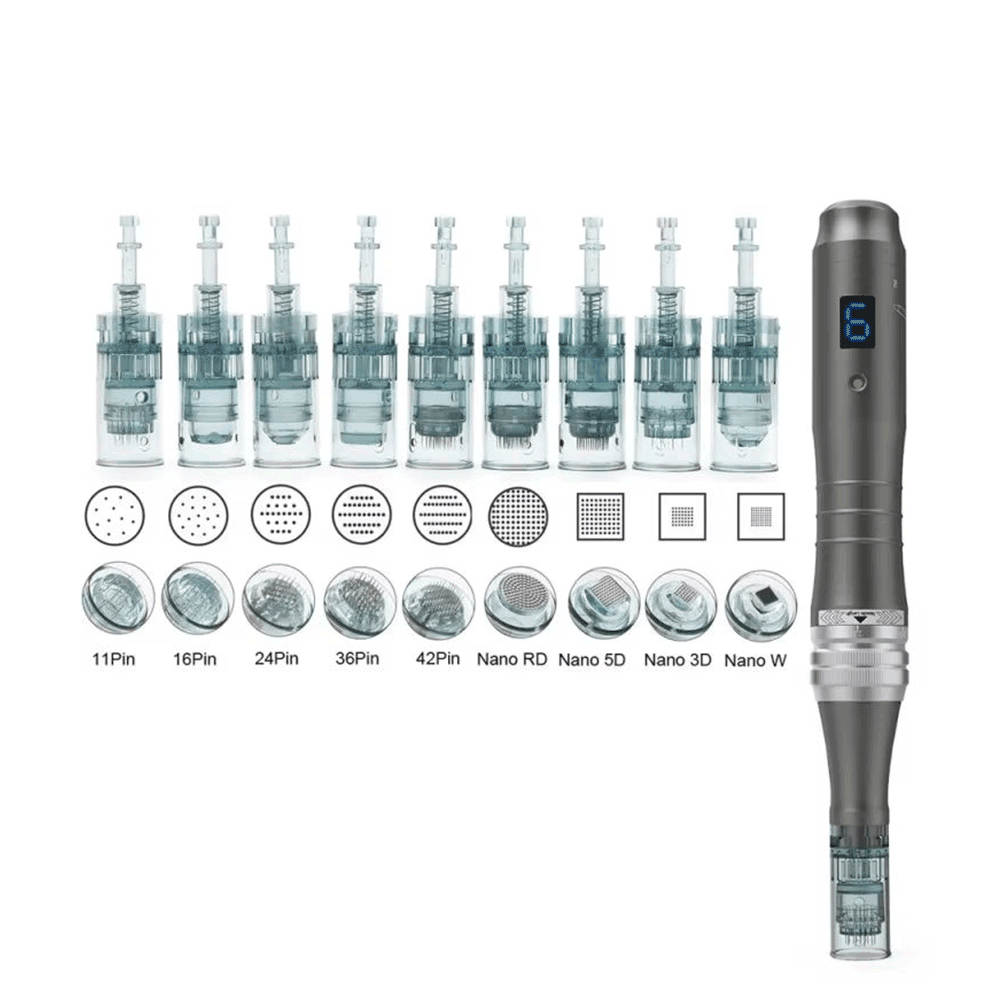
The following overview describes the configurations commonly encountered in replacement-cartridge listings. Exact needle arrangements, dimensions, materials, and compatibility should be confirmed against the supplier’s specifications.
| Cartridge type | What to consider |
|---|---|
| 11 Pin | A lower pin-count configuration; verify the intended application and exact specifications. |
| 16 Pin | A multi-needle configuration that may be listed for selected microneedling applications. |
| 24 Pin | A higher pin-count configuration; assess the manufacturer’s intended use rather than assuming it provides better results. |
| 36 Pin | A widely marketed multi-needle arrangement; confirm compatibility and technical details. |
| 42 Pin | A high pin-count configuration; more pins do not automatically mean greater effectiveness or safety. |
| Nano RD | A nano-style cartridge designation; confirm its contact structure and whether it penetrates the skin. |
| Nano 5D | A supplier-specific nano-style designation; verify its actual design and intended use. |
| Nano 3D | A supplier-specific nano-style designation; do not assume it has the same structure as other nano tips. |
| Nano W | A supplier-specific designation; request a clear product specification before purchasing. |
11 Pin vs. 16 Pin vs. 24 Pin vs. 36 Pin vs. 42 Pin
The main difference indicated by these names is the stated number of pins. The actual treatment effect also depends on needle geometry, exposure, cartridge construction, device settings, practitioner technique, and the area being treated.
For professional buyers, the right question is not simply, “Which cartridge has the most needles?” Instead, consider:
- Is the cartridge explicitly compatible with the exact M8 model?
- Does the supplier provide clear product specifications and instructions?
- Is the cartridge intended for the procedure being considered?
- Is it supplied as a sterile, single-use product when required?
- Can the supplier provide consistent quality and reliable packaging?
- Are the cartridge’s regulatory status and labeling appropriate for the intended market?
What About Nano RD, Nano 5D, Nano 3D, and Nano W?
The word “nano” is used inconsistently across cosmetic device listings. Some nano-style tips are designed for superficial contact, while other products may use different structures or have different intended uses.
Do not assume that every nano cartridge is non-invasive, interchangeable, or suitable for the same skincare products. Confirm the physical design, intended use, penetration characteristics, and compatibility before making a selection.
For consumers, a nano label should not be interpreted as proof that a product is risk-free. For professional buyers, clear technical documentation is more useful than a marketing name alone.
How to Confirm Dr. Pen M8 Cartridge Compatibility
Before ordering, compare the replacement cartridge with the original product documentation. Check the connection mechanism, model designation, packaging, supplier specifications, and any restrictions on use.
If you operate a salon or clinic, standardizing your purchasing process can reduce the chance of ordering an incompatible or inadequately documented consumable. Keep supplier records and follow the manufacturer’s instructions for storage, handling, and disposal.
Choose Dr. Pen Microneedling Replacement Cartridges from SalonMachines
For salons, spas, skincare professionals, and equipment buyers, replacement cartridges should be selected on the basis of compatibility, product specifications, packaging, and intended application—not just price or pin count.
SalonMachines provides a platform for exploring professional beauty equipment and compatible consumables. When evaluating Dr. Pen replacement cartridges, confirm the exact model fit and the technical details for the cartridge you intend to purchase.
Before placing an order, check:
- Model compatibility: Confirm that the cartridge is specifically listed for the Dr. Pen M8 or the exact compatible model.
- Available configurations: Compare the listed 11-pin, 16-pin, 24-pin, 36-pin, 42-pin, and nano-style options where available.
- Packaging and sterility: Verify the product’s sterile packaging, single-use status, and labeling where required for the intended procedure.
- Supplier documentation: Review the product specifications, instructions, and any relevant regulatory information.
- Quantity and purchasing needs: Compare pack sizes and unit costs while accounting for the required single-use consumables.
Do not purchase a cartridge solely because its name resembles one used with another Dr. Pen model. Compatibility must be established from the relevant product documentation.
Explore the Dr. Pen replacement-cartridge selection at SalonMachines and choose the configuration that matches your device and intended use.
- Sale!
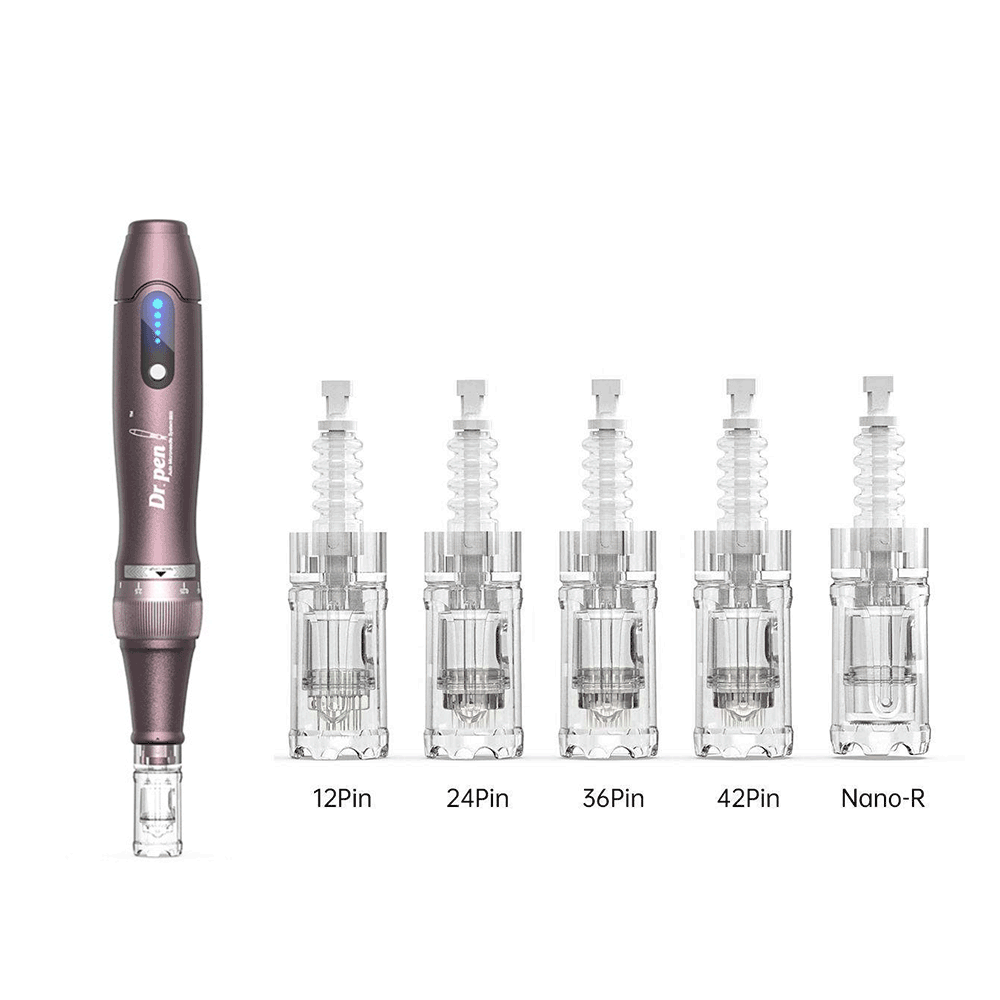
Dr. Pen Ultima A10 Replacement
$28.00 – $120.00Price range: $28.00 through $120.00
- Sale!
Replacement Cartridges For Dr.
$30.00 – $128.00Price range: $30.00 through $128.00
- Sale!
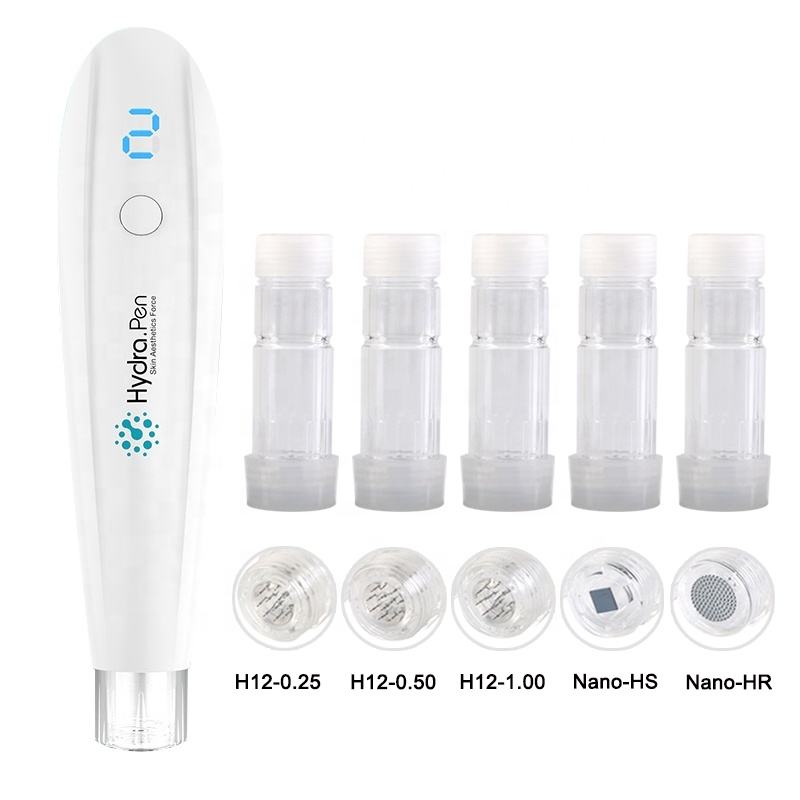
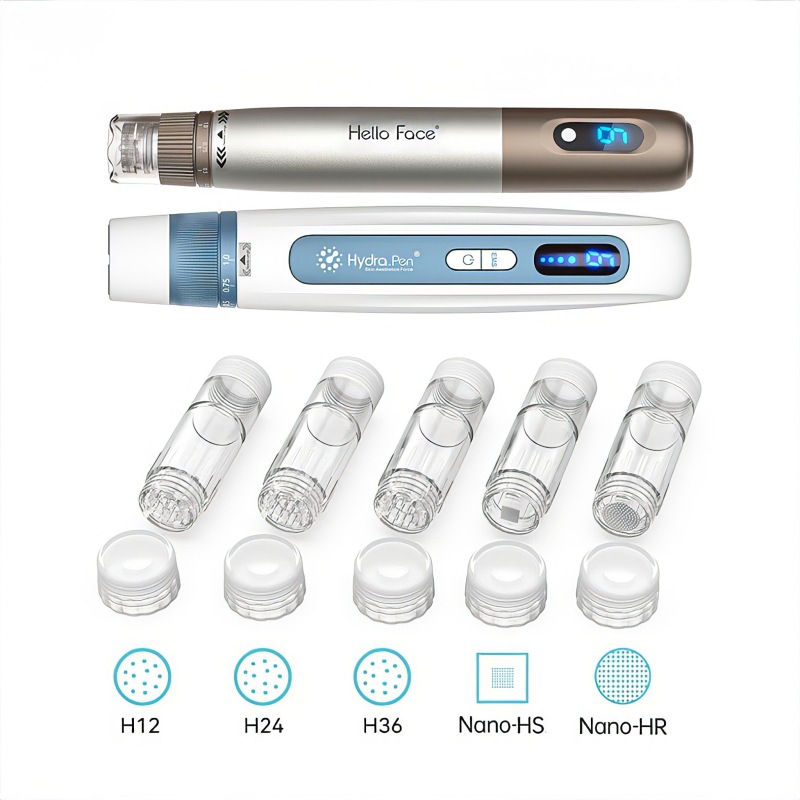
Hydra Pen H2 Replacement Cartr
$36.00 – $140.00Price range: $36.00 through $140.00
- Sale!
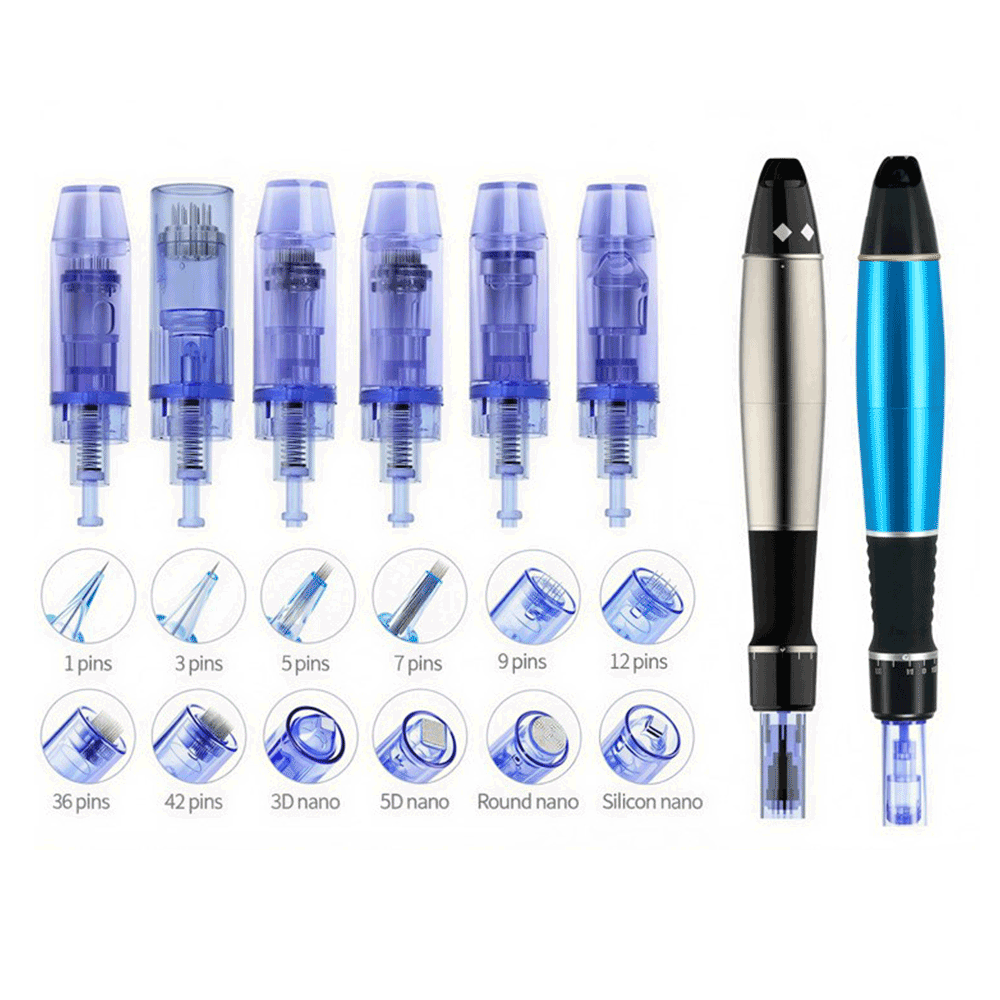
Hydra Pen H3/H5 Replacement Ca
$36.00 – $140.00Price range: $36.00 through $140.00
- Sale!
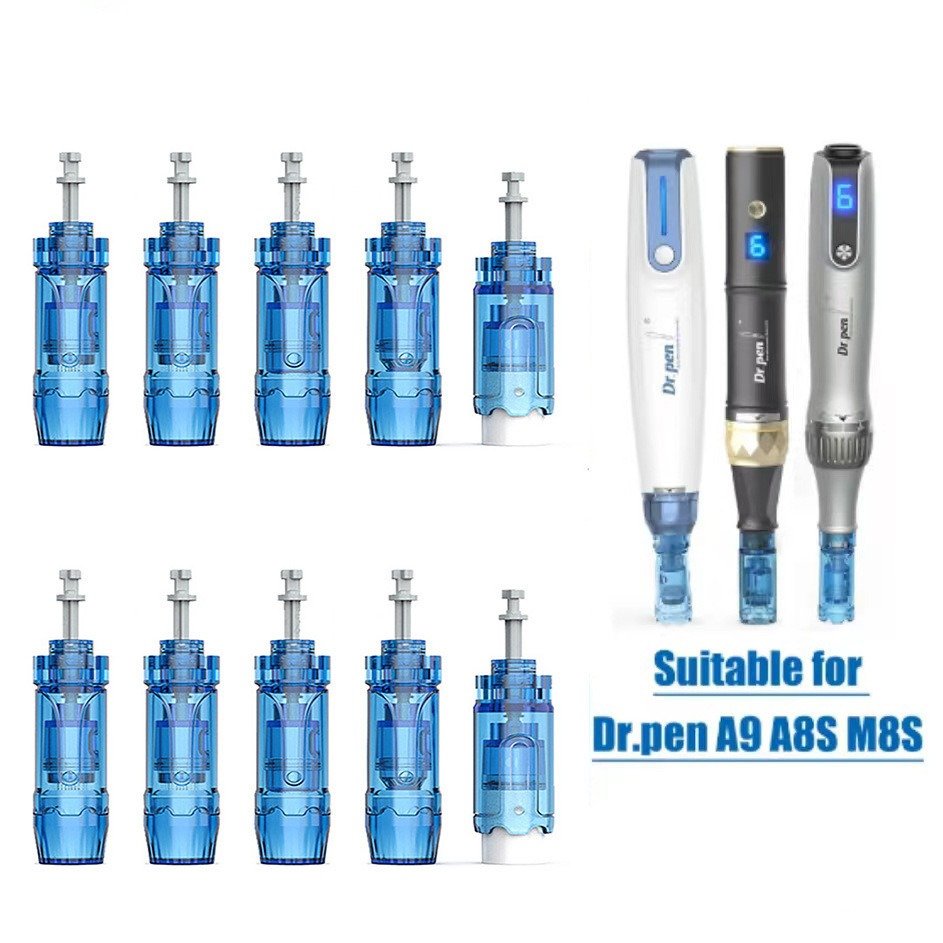
Dr. Pen A1 Replacement Cartrid
$24.00 – $128.00Price range: $24.00 through $128.00
- Sale!
Replacement Cartridges for Dr.
$30.00 – $128.00Price range: $30.00 through $128.00
Frequently Asked Questions About the Dr. Pen M8 Microneedling Pen
1. What is the Dr. Pen M8 microneedling pen used for?
2. Is the Dr. Pen M8 safe to use at home?
3. What are the most common Dr. Pen M8 side effects?
4. How much does a Dr. Pen M8 microneedling pen cost?
5. How many microneedling sessions are needed to see results?
6. What is the difference between 16-pin, 36-pin, and 42-pin cartridges?
7. Can Dr. Pen M8 nano cartridges be used with skincare serums?
8. Can Dr. Pen M8 replacement cartridges be reused?
Key Takeaways
The Dr. Pen M8 microneedling pen is a motorized device used in microneedling applications, but its suitability depends on the device configuration, cartridge, treatment purpose, and operator’s qualifications.
For consumers, the most important considerations are realistic expectations, appropriate professional assessment, and understanding the potential risks. For estheticians, clinic owners, and salon operators, safe practice requires appropriate training, documented protocols, infection control, and careful client selection.
For equipment buyers, cartridge compatibility and product documentation deserve as much attention as price and pin count. The right replacement cartridge is the one that is verified for the exact device, supplied with appropriate specifications, and intended for the procedure being considered.
A well-informed purchasing and treatment decision begins with accurate product information—not the assumption that a more intensive procedure or a higher pin count will necessarily deliver better results.