
Cryolipolysis Machine Guide: How It Works, Benefits, Side Effects, Treatment Costs, and Machine Prices

Introduction
Cryolipolysis has become an established option in the non-surgical body contouring market, offering a way to target selected areas of stubborn subcutaneous fat without incisions or a traditional surgical procedure. Often called fat freezing, the treatment uses controlled cooling to damage susceptible fat cells while aiming to protect surrounding tissue.
For consumers, the main questions are straightforward: Does cryolipolysis work, what are the possible side effects, and how much does treatment cost? For estheticians, spa owners, medical professionals, and distributors, the questions extend to equipment performance, patient suitability, operating expenses, and long-term business value.
Understanding these differences is important before choosing a treatment or investing in a cryolipolysis machine.
This guide explains the science behind fat freezing, its potential benefits and limitations, safety considerations, treatment pricing, and the factors that matter when selecting professional cryolipolysis equipment.
1. What Is Cryolipolysis?
Cryolipolysis is a non-invasive body contouring technique that uses controlled cooling to reduce localized deposits of subcutaneous fat. The term combines cryo, meaning cold, with lipolysis, referring to the breakdown of fat.
Unlike surgical liposuction, cryolipolysis does not require incisions, general anesthesia, or the physical removal of fat through a surgical instrument. Instead, the treatment exposes a selected area of fatty tissue to carefully controlled cooling.
The underlying principle is that fat cells are susceptible to cold-induced injury under specific conditions. Following treatment, the body gradually processes and removes affected cells through its natural biological pathways.
The procedure is intended for localized fat reduction rather than substantial weight loss.
How Is Cryolipolysis Different From Weight Loss?
Weight loss generally reduces total body mass through changes in energy balance, physical activity, medication, surgery, or other interventions. Cryolipolysis focuses on selected pockets of subcutaneous fat.
For example, a person may maintain a relatively stable weight while continuing to notice a small abdominal bulge or localized fat around the flanks. A qualified practitioner may determine that targeted body contouring is worth considering.
However, cryolipolysis cannot treat every type of abdominal fullness. Visceral fat, which accumulates deeper inside the abdomen around internal organs, is not the target of conventional fat-freezing treatment.
The procedure also does not replace healthy nutrition, regular physical activity, or medical weight-management care.
What Is a Cryolipolysis Machine?
A cryolipolysis machine is a body contouring device designed to deliver controlled cooling to selected areas of the body. Depending on the model, it may use suction-assisted applicators, contact cooling plates, or other device-specific configurations.
Professional systems may include:
Multiple applicator sizes for different body contours.
Temperature monitoring and adjustable treatment settings.
Vacuum control on compatible suction-assisted applicators.
Treatment timers and system status monitoring.
Interchangeable handles for different treatment areas.
Cooling, circulation, and fault-monitoring systems.
These features are not universal. Equipment design, approved treatment sites, cooling technology, and safety functions vary by manufacturer and model.
For buyers, the number of handles alone is not a reliable indicator of clinical performance. Applicator fit, cooling consistency, protective mechanisms, documentation, and after-sales support also matter.
2. How Does Cryolipolysis Work?
Cryolipolysis works by exposing targeted subcutaneous fat to controlled cooling under specific treatment conditions. The goal is to induce injury in susceptible fat cells without causing unacceptable damage to the skin or surrounding structures.
The exact treatment protocol depends on the device, applicator, treatment area, and manufacturer’s instructions.
Step 1: Assessment and Treatment Planning
Before treatment, a qualified practitioner evaluates the patient’s goals, medical history, fat distribution, skin condition, and suitability for the procedure.
The practitioner identifies whether the concern is a localized, pinchable fat deposit or something that requires a different approach.
The treatment area is then selected, and an appropriate applicator is chosen according to the device’s intended use.
Step 2: Controlled Cooling
Depending on the device, an applicator may draw a fold of tissue into a treatment cup using vacuum suction or apply cooling through contact plates.
The applicator delivers controlled cooling to the targeted tissue. The cooling profile and treatment duration must follow the specific device’s instructions rather than an arbitrary temperature or time selected by the operator.
Fat cells are susceptible to cold-induced injury under appropriate conditions. Nevertheless, cooling the tissue too aggressively or using unsuitable equipment can cause injury rather than improve the outcome.
Step 3: Biological Response
Following controlled cooling, affected fat cells undergo a biological injury response. Inflammatory processes develop as the body begins to clear damaged cellular material.
This is not an immediate mechanical extraction of fat. The reduction occurs gradually as the body processes the affected tissue over subsequent weeks and months.
Step 4: Gradual Change in Fat Thickness
As the biological response progresses, the thickness of the treated fat layer may decrease. The visible outcome depends on the original fat deposit, the treatment protocol, the device, individual biology, and other factors.
Results are not guaranteed, and some people experience only modest changes.
How Much Fat Can Cryolipolysis Reduce?
Clinical studies have reported reductions in localized fat-layer thickness, but the findings vary across treatment protocols and study designs. Some published research has reported average reductions in the range of approximately 15–25% in the treated fat layer under particular study conditions.
This figure should not be interpreted as a guaranteed reduction in body weight, waist circumference, or total body fat. It also should not be applied automatically to every machine marketed as a cryolipolysis device.
A practitioner should set realistic expectations based on the individual, the treatment area, and evidence relevant to the specific system being used.
3. Who Is a Suitable Candidate for Cryolipolysis?
Cryolipolysis may be appropriate for adults who want to address localized pockets of subcutaneous fat that remain noticeable despite maintaining a relatively stable weight.
Suitability must be assessed individually. A consultation should establish whether the procedure is appropriate and whether another treatment would better address the person’s concern.
People Who May Benefit
Potential candidates may include adults who:
Have a small, clearly defined area of pinchable subcutaneous fat.
Are near a stable, maintainable body weight.
Prefer a non-surgical approach to localized body contouring.
Understand that changes develop gradually rather than immediately.
Have realistic expectations about the degree of improvement.
Can undergo treatment after appropriate medical screening.
Commonly discussed treatment areas include the abdomen, flanks, thighs, upper arms, and selected areas beneath the chin. However, the areas that can be treated depend on the specific device’s authorization, applicator design, and instructions for use.
Is Cryolipolysis Suitable for Everyone With Stubborn Fat?
No. The presence of excess fat does not automatically make someone a suitable candidate.
For example, a prominent abdomen may be associated with visceral fat, loose skin, abdominal muscle separation, or a combination of factors. Cryolipolysis primarily targets selected subcutaneous fat deposits and will not correct every cause of abdominal protrusion.
People with significant skin laxity may also be disappointed if their main concern is sagging rather than fat thickness.
A qualified practitioner should explain what the procedure can reasonably address and recommend alternatives when appropriate.
4. Who Should Avoid Cryolipolysis?
Cryolipolysis is not suitable for everyone, particularly people with certain cold-related disorders or conditions affecting the treatment area.
Important contraindications and precautions include the following.
Cold-Related Medical Conditions
People with conditions such as cryoglobulinemia, cold urticaria, or paroxysmal cold hemoglobinuria should not undergo conventional cryolipolysis because cold exposure may trigger harmful reactions.
People with cold agglutinin disease or other disorders involving abnormal responses to cold also require appropriate medical assessment. The exact restrictions depend on the condition and device instructions.
Hernias or Problems in the Treatment Area
A hernia, significant weakness in the abdominal wall, or a vulnerable surgical site may make treatment inappropriate. The practitioner must assess the location and nature of the concern before applying an applicator.
Pregnancy and Other Medical Considerations
Elective fat-freezing procedures are generally deferred during pregnancy because safety has not been established for this situation.
Additional evaluation may be necessary for people with impaired sensation, poor circulation, active skin conditions, recent surgery, or other medical concerns that could increase treatment risk.
The suitability of treatment must be assessed by an appropriately qualified healthcare professional.
Important: Cryolipolysis Is Not a Weight-Loss Treatment
People seeking substantial weight reduction should not rely on cryolipolysis as a substitute for evidence-based weight management.
The procedure is intended to address localized fat deposits. It does not treat obesity, improve every metabolic risk factor, or guarantee long-term body-weight changes.
5. Cryolipolysis Side Effects and Safety Considerations
Cryolipolysis is non-surgical, but non-surgical does not mean risk-free. Patients should receive a clear explanation of expected temporary reactions, possible complications, and the steps to take if symptoms develop.
The actual risk profile depends on the device, treatment protocol, patient characteristics, and practitioner experience.
Common Temporary Side Effects
Temporary reactions may include:
Redness in the treated area.
Swelling or localized inflammation.
Bruising, particularly with suction-assisted applicators.
Tenderness, soreness, or discomfort.
Tingling or altered skin sensation.
Temporary numbness or sensitivity.
These effects commonly improve over days to weeks, although some sensory changes may persist longer.
Patients should receive written aftercare guidance and a clear contact route for reporting symptoms that are severe, persistent, or worsening.
Rare but Important Complications
Paradoxical adipose hyperplasia (PAH) is a recognized complication in which the treated area develops an unexpected increase in fat volume rather than the intended reduction.
PAH can appear months after treatment. The enlarged area may be firm and resemble the shape of the applicator. It generally does not resolve on its own and may require surgical treatment.
Other potential complications include prolonged pain, contour irregularities, skin injury, and cold-related tissue damage.
Published research and regulatory reports document these risks. A practitioner should not describe them as impossible simply because a procedure is non-invasive.
How Can Treatment Risks Be Reduced?
Risk reduction begins before the machine is switched on.
Screen the patient properly. Review medical history, cold sensitivity, contraindications, and the condition of the intended treatment area.
Use an appropriate device. Confirm the system’s intended use, regulatory status, and compatibility with the proposed treatment.
Inspect the equipment. Check applicators, cables, cooling components, sensors, and protective accessories according to the manufacturer’s instructions.
Follow the specified protocol. Do not improvise treatment temperatures, suction levels, or exposure times.
Use required protective materials. Where specified, apply the correct skin-protection membrane or interface.
Monitor the treatment. Follow the manufacturer’s monitoring and emergency-stop procedures.
Provide follow-up guidance. Explain normal recovery, warning signs, and how to obtain medical assessment.
If a patient develops severe or increasing pain, blistering, unusual skin discoloration, or other concerning symptoms, treatment should be stopped when appropriate and prompt medical assessment arranged. A new or enlarging treated area in the months after treatment also warrants evaluation for PAH.
For further safety information, consult the US Food and Drug Administration’s guidance on non-invasive body contouring technologies.
6. Benefits and Limitations of Cryolipolysis
Cryolipolysis can be a useful option for selected patients, but its value is best understood by considering both its advantages and its limitations.
Potential Benefits
Non-surgical treatment
Conventional cryolipolysis does not require incisions or surgical removal of fat. Treatment is generally performed in an outpatient aesthetic setting.
Targeted body contouring
The procedure focuses on specific areas of subcutaneous fat rather than attempting to reduce body weight throughout the entire body.
Limited interruption to daily activities
Many patients return to routine activities soon after treatment. However, temporary soreness, swelling, bruising, or altered sensation can affect comfort.
Gradual results
Changes develop over time as the body processes affected fat cells. This can suit people who prefer a gradual change rather than an immediate surgical result.
Potentially useful for aesthetic practices
For salons, medical spas, and qualified clinics, cryolipolysis may complement an existing body contouring service portfolio when the equipment, local regulations, practitioner qualifications, and client demand support its use.
Limitations to Consider
Cryolipolysis does not produce immediate fat removal, and several treatment sessions may be recommended depending on the individual and the device protocol.
The procedure is not a substitute for liposuction when substantial fat removal is desired. It also does not reliably tighten significantly loose skin or treat visceral fat.
Outcomes can vary, and adverse effects remain possible.
For professional buyers, another limitation is that the term cryolipolysis machine covers a wide range of products. Two devices with similar marketing descriptions may differ substantially in cooling performance, safety systems, documentation, service life, and manufacturer support.
A purchase decision should therefore be based on verifiable technical and commercial information, not marketing claims alone.
7. How Long Do Cryolipolysis Results Last?
Cryolipolysis results develop gradually rather than immediately after the procedure.
Some patients begin to notice changes within several weeks. More developed results are commonly assessed around two to three months after treatment, although the timeline varies by individual and treatment protocol.
The body may continue processing affected tissue beyond this period.
Are Cryolipolysis Results Permanent?
Fat cells that are successfully eliminated do not simply regenerate in the same way that surviving fat cells can enlarge. Nevertheless, the remaining fat cells can increase in size if a person gains weight.
As a result, weight gain may reduce the visibility of the original improvement or alter the body’s overall contour.
Long-term outcomes are influenced by weight stability, age, body composition, lifestyle, and individual biological factors.
Patients should understand that cryolipolysis is a localized contouring procedure, not a permanent guarantee of a particular body shape.
Will One Treatment Session Be Enough?
Not necessarily.
The number of sessions depends on the size of the target area, the amount of fat present, the treatment plan, the device’s instructions, and the patient’s goals.
A practitioner should assess the outcome before recommending additional treatment. Repeating a procedure automatically, without reviewing the result and the patient’s condition, is not an appropriate approach.
8. How Much Does Cryolipolysis Cost?
The cost of cryolipolysis treatment depends on the country, clinic, treatment area, equipment, practitioner, and number of applicator placements or treatment cycles required.
Consumers should ask whether a quoted price covers one treatment cycle, multiple areas, or a complete treatment plan.
Typical Treatment Price Factors
| Factor | How it affects cost |
|---|---|
| Treatment area | Larger or more complex areas may require additional applicator placements |
| Number of cycles | Multiple cycles can increase the total fee |
| Clinic location | Local operating costs and market demand affect pricing |
| Practitioner expertise | Qualifications and experience can influence the fee |
| Equipment and service model | Different systems and treatment protocols have different costs |
| Follow-up and additional services | These may be included or charged separately |
In the United States, published consumer guidance from the American Society of Plastic Surgeons has reported an average cost of $1,157 for non-surgical fat reduction, based on its cited statistics. This is a broad category rather than a current, universal price for cryolipolysis alone. Actual fees can be substantially lower or higher depending on the treatment and location.
Source: ASPS — Nonsurgical Fat Reduction Cost.
Questions to Ask Before Paying for Treatment
Before booking, ask the provider:
Which device and applicator will be used?
How many treatment cycles are included?
Does the quoted fee cover one area or multiple areas?
Is the consultation included?
What follow-up support is available?
What happens if the outcome is less noticeable than expected?
Which complications should prompt medical review?
Comparing complete treatment plans is more useful than comparing headline prices alone.
9. How Much Does a Cryolipolysis Machine Cost? Investment and ROI
For salon owners, estheticians, clinic operators, and distributors, equipment acquisition is a separate financial decision from the cost of an individual treatment.
Professional cryolipolysis machine prices vary considerably. Configuration, cooling technology, number and type of applicators, supplier, warranty, regulatory documentation, and after-sales support can all influence the purchase price.
Entry-level systems may be substantially less expensive than established branded platforms. However, a lower purchase price does not necessarily mean a lower total cost of ownership.
What Determines Cryolipolysis Machine Prices?
1. Cooling performance and control
Stable, controlled cooling is central to the intended function of a cryolipolysis system. Buyers should request technical documentation and ask how the manufacturer monitors temperature and detects faults.
2. Applicator configuration
Some machines include one or two applicators, while others support several treatment heads. Multiple applicators may improve scheduling flexibility, but only when the configuration is appropriate for the intended treatments and the system can support simultaneous operation as advertised.
3. Vacuum and contact design
Suction-assisted applicators and contact-cooling designs have different operating characteristics. The correct choice depends on the device’s intended use and the treatment areas the practice plans to serve.
4. Safety mechanisms
Buyers should verify the presence and operation of applicable temperature monitoring, alarms, system diagnostics, emergency-stop functions, and required protective accessories. Claims should be confirmed in the technical documentation rather than assumed from product photographs.
5. Warranty and service support
A machine that cannot be serviced promptly may cause cancelled appointments and lost revenue. Ask about warranty coverage, replacement applicators, spare parts, remote troubleshooting, maintenance requirements, and technical training.
6. Regulatory compliance
Regulatory requirements differ between markets. Verify the device’s legal status and permitted intended use in the country where it will be marketed and operated. A supplier’s general statement that a machine is “medical grade” is not proof of authorization.
What Is the Return on Investment (ROI) of a Cryolipolysis Machine?
The return on investment depends on actual treatment demand, collected revenue, consumable costs, staff time, maintenance, financing, and other operating expenses.
A simple calculation can help establish a preliminary business case.
Illustrative example — not a price quote or earnings forecast
Suppose a clinic is evaluating a machine with the following hypothetical figures:
| Item | Example amount |
|---|---|
| Equipment purchase | $6,000 |
| Average collected revenue per treatment cycle | $250 |
| Variable cost per cycle | $50 |
| Contribution per cycle before fixed overhead | $200 |
Under these assumptions, the simple equipment-only break-even point is:
$6,000 ÷ ($250 − $50) = 30 treatment cycles.
This means 30 cycles would generate $6,000 in contribution before fixed overhead and other excluded expenses. It does not mean the business would necessarily recover its full investment after 30 treatments.
Actual profitability must account for staff wages, rent, marketing, training, financing, maintenance, taxes, cancellations, downtime, and any other applicable expenses. Treatment prices and cycle counts must also reflect the clinic’s local market and the specific device’s protocol.
A more complete ROI assessment should use realistic monthly demand and a conservative estimate of utilization.
How to Evaluate a Supplier’s Commercial Offer
Before placing an order, request a written quotation specifying:
The exact machine model and included applicators.
Electrical requirements and installation needs.
Warranty duration, exclusions, and repair procedures.
Included training and operating documentation.
Consumables and replacement-part costs.
Shipping, import duties, and applicable taxes.
Regulatory documents relevant to the destination market.
Lead time, payment terms, and after-sales contact details.
This information allows a business to compare the true cost of ownership rather than relying on the equipment’s initial advertised price.
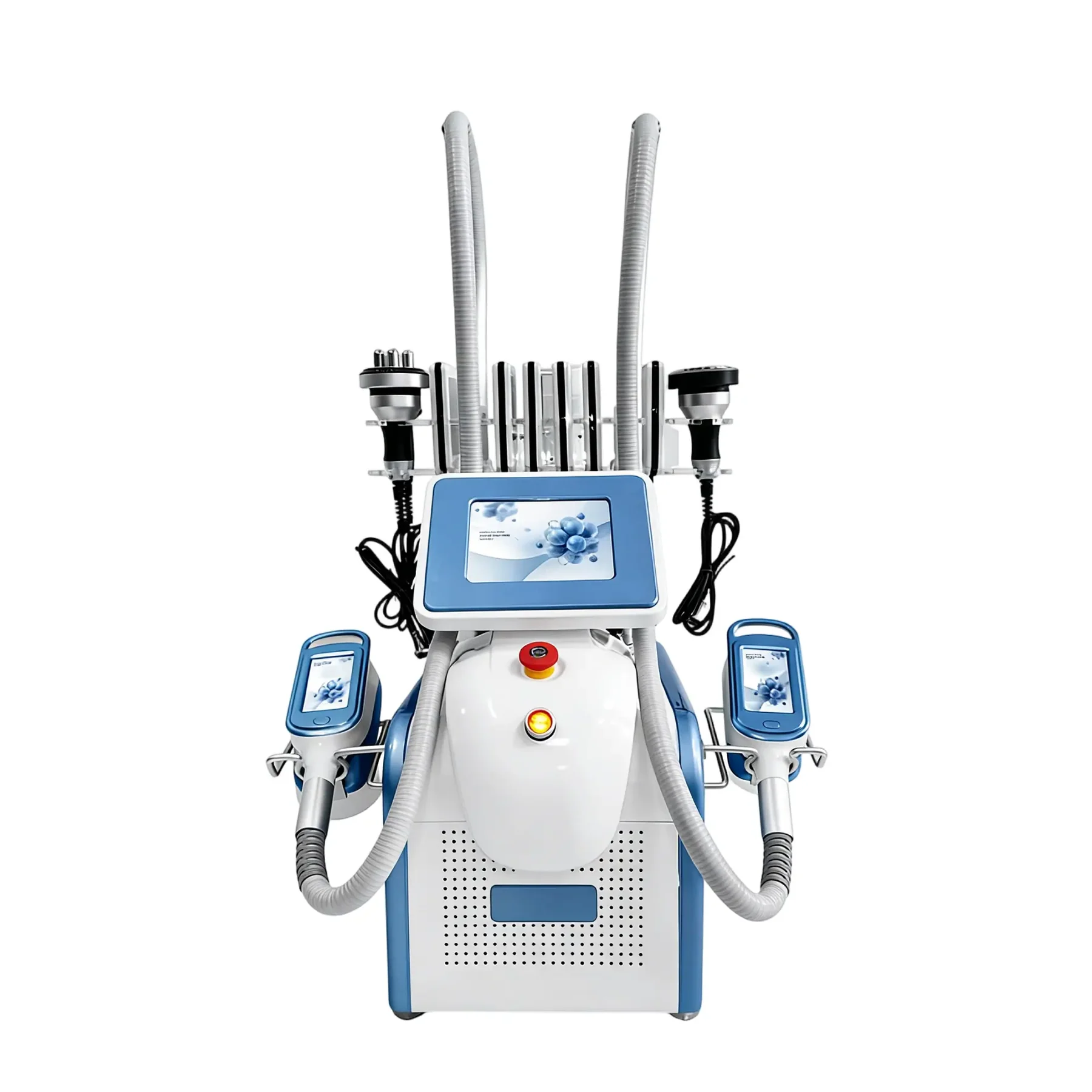
360° Cryolipolysis and Body S
$5,500.00 Original price was: $5,500.00.$3,279.00Current price is: $3,279.00.
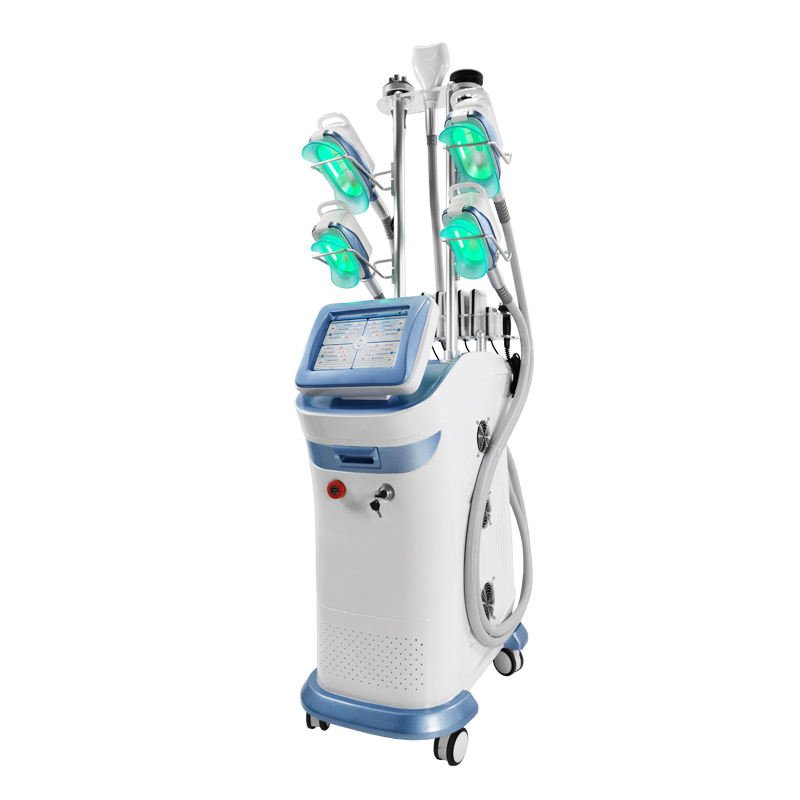
Multifunctional 360° Cryolipo
$7,600.00 Original price was: $7,600.00.$4,680.00Current price is: $4,680.00.
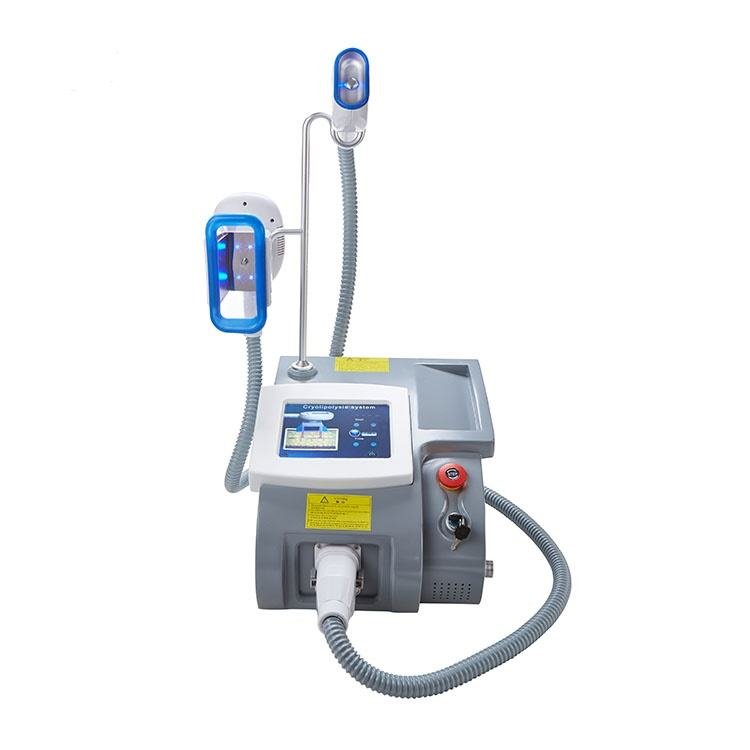
Portable Cryo Fat Freezing Mac
$3,200.00 Original price was: $3,200.00.$1,660.00Current price is: $1,660.00.

Portable Cryolipolysis Machine
$9,600.00 Original price was: $9,600.00.$6,700.00Current price is: $6,700.00.
10. How to Choose a Professional Cryolipolysis Machine from SalonMachines
Selecting a professional cryolipolysis machine should begin with the services you intend to offer, the people you intend to treat, and the regulations that apply to your business.
SalonMachines provides an equipment-shopping starting point for beauty professionals and business buyers evaluating body contouring systems. Before choosing any model, compare its documented capabilities with your intended use.
Step 1: Define Your Business Requirements
A salon adding its first body contouring service may have different needs from an established medical spa or a distributor purchasing several units.
Consider your expected treatment volume, available treatment rooms, staff training, local demand, and service portfolio.
Do not purchase a multi-applicator machine simply because it has more handles. Select the configuration that matches your actual operating requirements.
Step 2: Compare the Technical Specifications
Request details about:
Cooling technology and temperature-control parameters.
Applicator sizes and approved treatment areas.
Vacuum performance, where applicable.
Sensor, alarm, and fault-detection functions.
Required protective accessories.
Power supply and operating environment.
Maintenance schedules and consumable requirements.
Specifications should be clear enough to compare models on an equivalent basis.
Step 3: Check Documentation and Safety Support
Confirm the intended use, user manual, contraindications, cleaning procedures, maintenance instructions, and relevant regulatory documents.
The machine should come with adequate training and guidance for the people who will operate it. Where local law requires licensed or medically qualified personnel, those requirements must be met regardless of the equipment supplier’s marketing claims.
Step 4: Assess Warranty and After-Sales Service
Ask how technical issues are handled, whether replacement components are available, and how quickly the supplier can respond.
For an operating clinic, service support is part of the investment. A machine with attractive specifications but inadequate technical support can create unnecessary business risk.
Step 5: Calculate the Total Cost of Ownership
Compare the complete purchase and operating costs, including shipping, duties, training, maintenance, consumables, and expected downtime.
Then estimate realistic treatment demand and the contribution each treatment may generate after variable costs.
A clear financial model will help determine whether the equipment is commercially appropriate for your practice.
Explore Cryolipolysis Equipment at SalonMachines
If you are considering adding fat-freezing services to your business, explore the available professional body contouring equipment at SalonMachines and request model-specific information before making a purchasing decision.
Compare applicator configurations, technical specifications, warranty terms, training, and support to identify a system that fits your business requirements.
A sensible equipment investment is based on documented performance, patient safety, dependable support, and realistic demand—not on the lowest price or the largest number of handles.
11. Key Takeaways
Cryolipolysis is a non-surgical body contouring technique that uses controlled cooling to target localized subcutaneous fat. It may be useful for appropriately selected adults who want to reduce specific fat deposits without undergoing surgery.
Before choosing treatment, remember these essential points:
Cryolipolysis is intended for localized fat reduction, not substantial weight loss.
Results develop gradually and vary between individuals.
Temporary redness, swelling, soreness, and altered sensation can occur.
Cold-related medical conditions may make treatment unsuitable.
Paradoxical adipose hyperplasia is a rare but important complication that patients should understand before treatment.
Treatment fees depend on the provider, location, treatment area, and number of cycles.
Professional machine prices depend on configuration, technology, documentation, warranty, and service support.
Equipment buyers should assess regulatory compliance, safety features, total ownership costs, and realistic ROI.
For consumers, the best starting point is a consultation with a qualified practitioner who can assess suitability and explain the risks. For professional buyers, the priority is to select equipment that meets the business’s needs and applicable regulatory requirements.