Laser Hair Removal: Mechanism, Clinical Benefits, Side Effects, Preparation, and Cost Analysis for Professional Practices

Laser Hair Removal: Mechanism, Clinical Benefits, Side Effects, Preparation, and Cost Analysis for Professional Practices

Summary

Laser hair removal has evolved into a cornerstone modality in modern aesthetic medicine, offering predictable, scalable, and high-margin treatment opportunities for clinics and medspas. This guide delivers a technical, clinical, and business-oriented breakdown tailored to distributors, physicians, estheticians, and clinic owners seeking authoritative insight into both treatment science and equipment investment strategy.


What Is Laser Hair Removal?

Laser hair removal is a selective photothermolysis-based procedure that targets melanin within the hair shaft and follicular epithelium. By delivering controlled wavelengths of light energy, it thermally disables the follicle’s regenerative structures—primarily the bulge and bulb—resulting in long-term hair reduction.

Unlike temporary methods (shaving, waxing), laser treatments progressively reduce follicular density and regrowth rate.


How Does Laser Hair Removal Work?

The mechanism is governed by three key variables:

  • Wavelength (nm): Determines penetration depth and melanin absorption
  • Pulse duration (ms): Matches thermal relaxation time of the follicle
  • Fluence (J/cm²): Controls energy delivered per unit area

Core Process:

  1. Laser emits a monochromatic beam absorbed by melanin
  2. Energy converts to heat within the follicle
  3. Thermal damage disrupts hair growth cycle
  4. Repeated sessions target follicles in the anagen phase

Clinical Insight: Only ~15–25% of body hair is in the anagen phase at any time, necessitating multiple sessions (typically 6–8) for optimal clearance.


What Are the Types of Laser Hair Removal?

1. Diode Laser (810 nm)

  • Deep dermal penetration
  • Suitable for skin types I–V
  • High repetition rate for faster treatments
  • Most widely used in commercial devices

2. Alexandrite Laser (755 nm)

  • High melanin absorption
  • Ideal for lighter skin (Fitzpatrick I–III)
  • Faster results but higher PIH risk in darker skin

3. Nd:YAG Laser (1064 nm)

  • Lower melanin absorption, deeper penetration
  • Safest for darker skin types (IV–VI)
  • Slightly less efficient but superior safety profile

4. IPL (Intense Pulsed Light)

  • Broad-spectrum light (not true laser)
  • Lower precision, higher operator dependency
  • Typically used in entry-level or multifunction devices

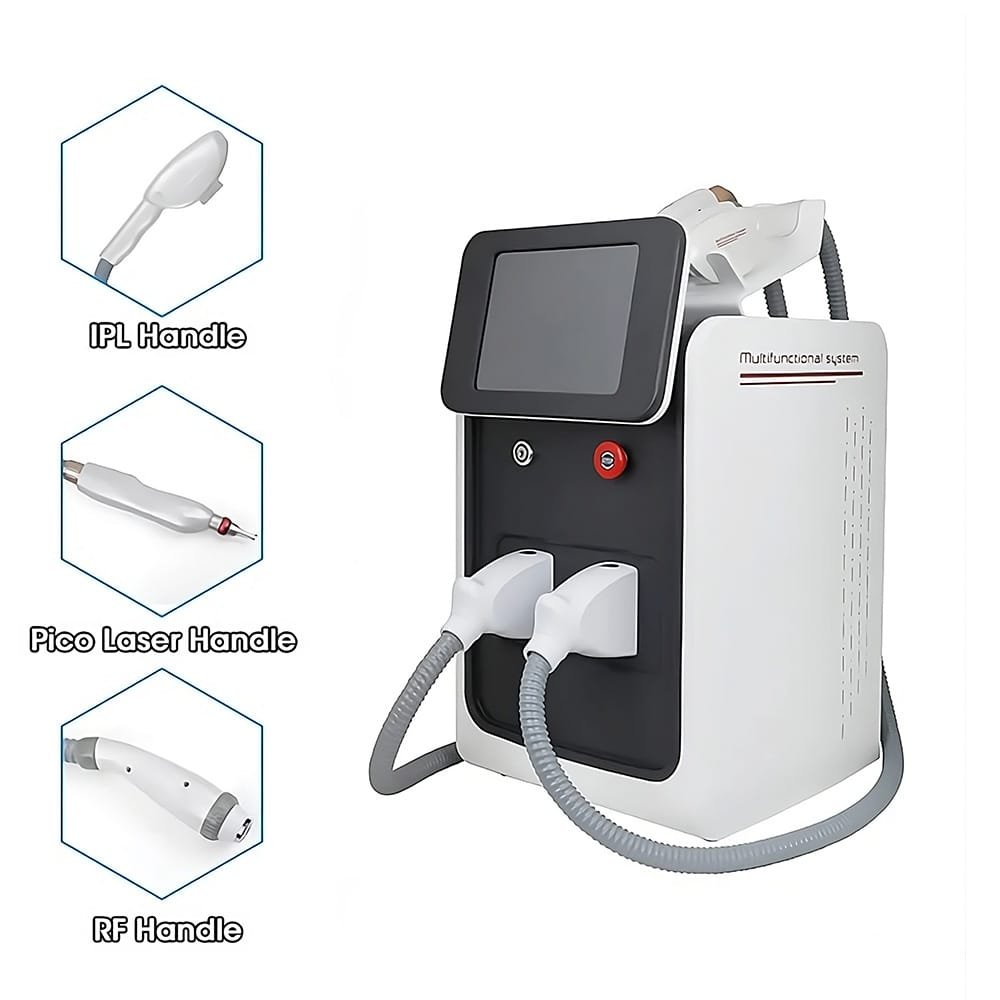
Laser Hair Removal Tattoo Removal RF Skin Treatment Machine

Original price was: $5,899.00.Current price is: $2,979.00.

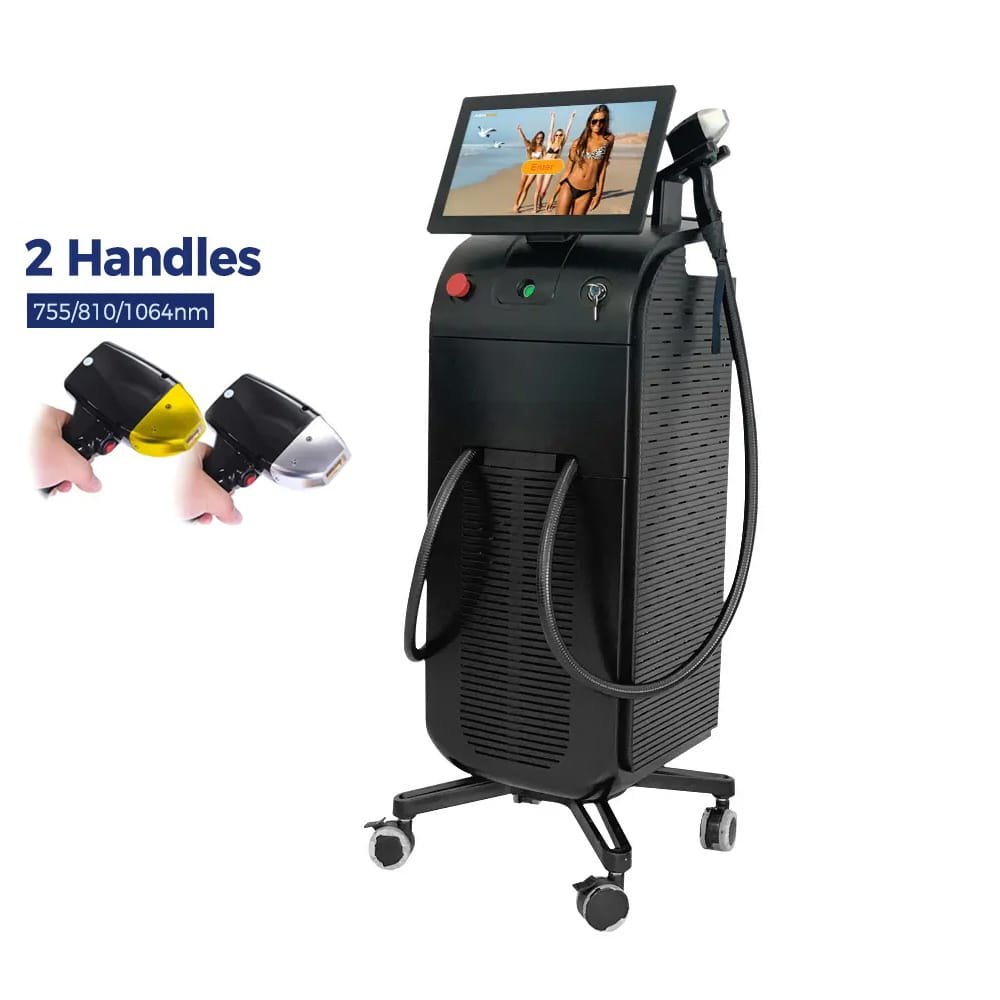
Diode Laser Hair Removal Machine 755nm 808nm 1064nm

Original price was: $12,499.00.Current price is: $6,949.00.

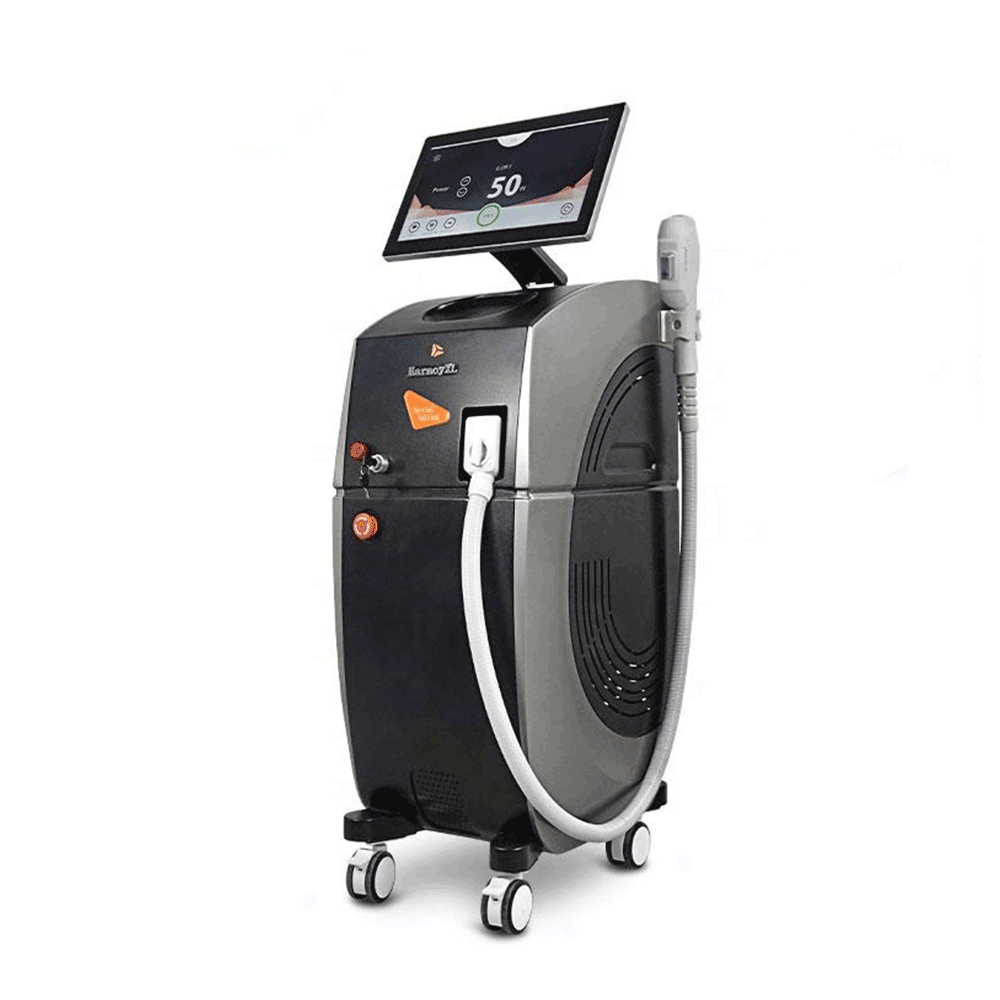
3 Wavelength 808nm Diode Laser Hair Removal Machine Ice Platinum Cooling

Original price was: $5,999.00.Current price is: $3,569.00.

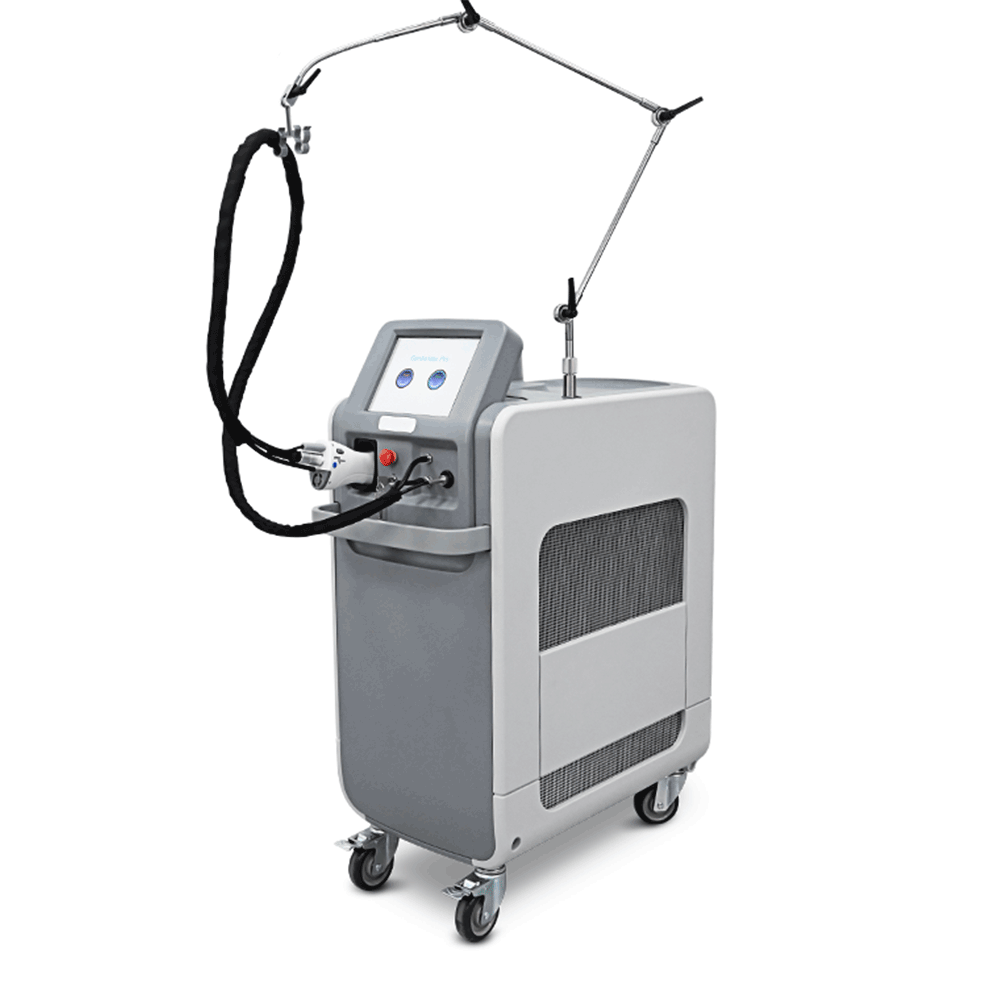
Professional 755nm Alexandrite + 1064nm Nd:YAG Laser Hair Removal System

Original price was: $16,590.00.Current price is: $7,890.00.

The Benefits of Laser Hair Removal

Clinical Benefits:

  • Long-term hair reduction
  • Reduced folliculitis and ingrown hairs
  • Improved skin texture and tone

Business Benefits:

  • High ROI treatment with repeat sessions
  • Scalable across multiple body areas
  • Strong patient retention and package sales

What Does Laser Hair Removal Treat?

  • Facial hair (upper lip, chin, sideburns)
  • Body hair (legs, arms, back, chest)
  • Sensitive zones (bikini line, underarms)
  • Pseudofolliculitis barbae (common in male patients)

Who Should Get Laser Hair Removal?

Ideal Candidates:

  • Patients with high contrast between hair and skin
  • Individuals with recurrent ingrown hairs
  • Patients seeking long-term aesthetic maintenance

Contraindications:

  • Active infections or open wounds
  • Photosensitizing medications
  • Pregnancy (relative contraindication)

Are There Any Side Effects or Risks?

Common (Transient):

  • Erythema
  • Perifollicular edema
  • Mild discomfort

Less Common:

  • Hyperpigmentation (PIH)
  • Hypopigmentation
  • Blistering (due to improper settings)

Risk Mitigation Strategy:

  • Proper Fitzpatrick skin typing
  • Test patching
  • Advanced cooling systems (contact, cryogen, air)

How to Prepare for Laser Hair Removal

Pre-Treatment Protocol:

  • Avoid sun exposure (2–4 weeks)
  • Discontinue waxing or plucking
  • Shave treatment area 24 hours prior
  • Avoid retinoids or acids on treatment zone

What to Expect During Laser Hair Removal Treatments

  • Duration: 10–60 minutes depending on area
  • Sensation: Mild snapping or warming
  • Use of cooling technology to enhance comfort
  • Immediate redness is expected

Laser Hair Removal Aftercare

  • Apply soothing agents (aloe vera, thermal water)
  • Avoid sun exposure and heat (saunas, hot showers)
  • Use SPF 50+ consistently
  • Avoid active skincare ingredients for 48 hours

Recovery and Outlook

  • No downtime for most patients
  • Shedding phase occurs within 1–3 weeks
  • Progressive reduction after each session
  • Maintenance sessions every 6–12 months

How Much Does Laser Hair Removal Cost?

Patient Pricing Model:

  • Small areas: $50–$150/session
  • Medium areas: $150–$300/session
  • Large areas: $300–$800/session

Clinic ROI Consideration:

  • Device cost: $2,000–$20,000+
  • Break-even: Typically within 3–6 months
  • High-margin recurring revenue model

How Can I Find Professional Laser Hair Removal Equipment for My Clinic?

When sourcing professional devices, prioritize:

1. Technical Specifications:

  • Multi-wavelength capability (755nm + 810nm + 1064nm preferred)
  • High energy output with stable pulse control
  • Integrated cooling system

2. Certifications:

  • FDA / CE approval
  • ISO manufacturing standards

3. Supplier Reliability:

  • Training support
  • Warranty and after-sales service
  • Replacement parts availability

👉 For high-performance, clinic-grade systems, explore:

Takeaways

Laser hair removal is no longer just a cosmetic add-on—it is a core revenue driver and clinical necessity for modern aesthetic practices. Clinics that invest in advanced, multi-wavelength systems and implement standardized protocols consistently outperform competitors in both results and profitability.

For distributors and clinic owners, the strategic advantage lies in combining clinical efficacy with scalable business models, ensuring both patient satisfaction and long-term growth.

Frequently Asked Questions

1. Is laser hair removal permanent?

It provides permanent hair reduction, not complete removal. Maintenance sessions are required.

2. How many sessions are needed?

Typically 6–8 sessions spaced 4–6 weeks apart.

3. Is it safe for all skin types?

Yes, when using appropriate wavelengths (Nd:YAG for darker skin).

4. Does it hurt?

Discomfort is minimal and manageable with cooling systems.

5. Can men undergo laser hair removal?

Yes, it is widely used for beard shaping, chest, and back.

6. Can it treat ingrown hairs?

Yes, it significantly reduces ingrown hair occurrence.

7. Is there downtime?

No significant downtime; patients can resume normal activities immediately.

8. What affects treatment results?

Hair color, skin type, hormonal factors, and device quality.

Leave a Reply

Shopping Cart
Scroll to Top