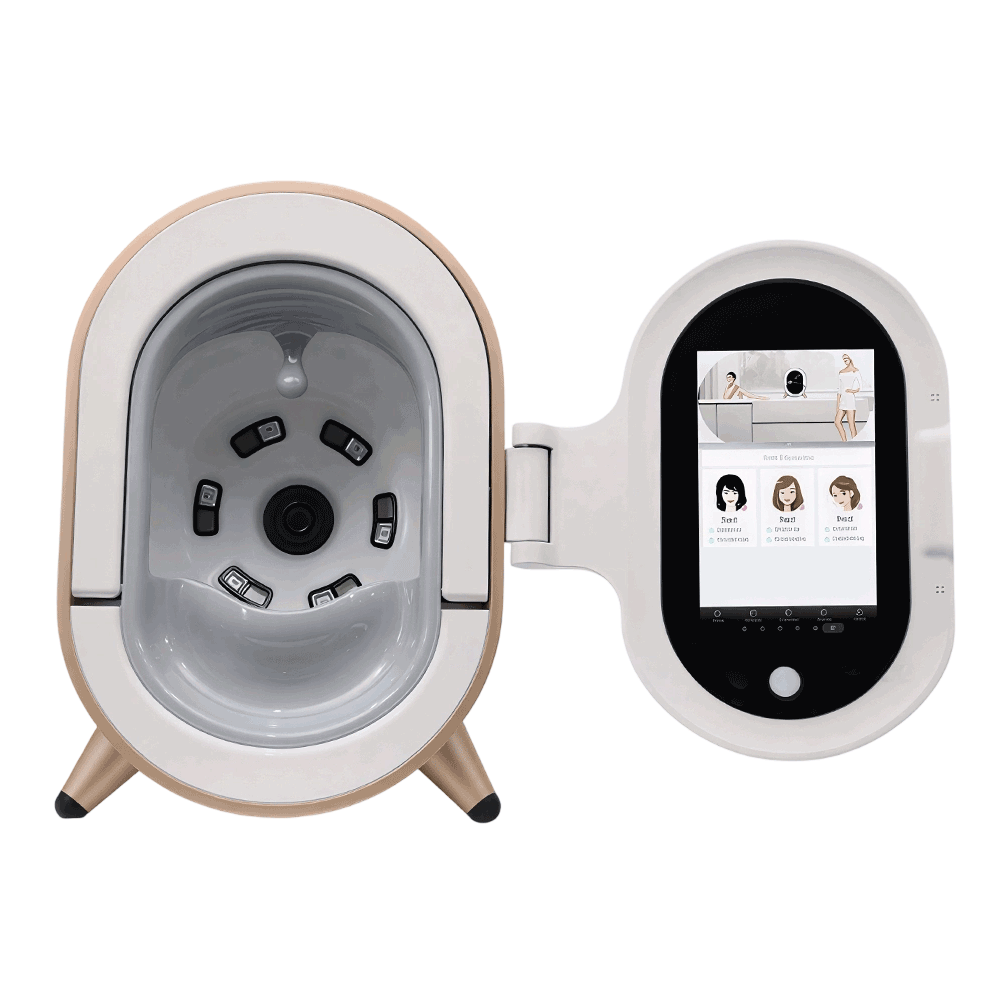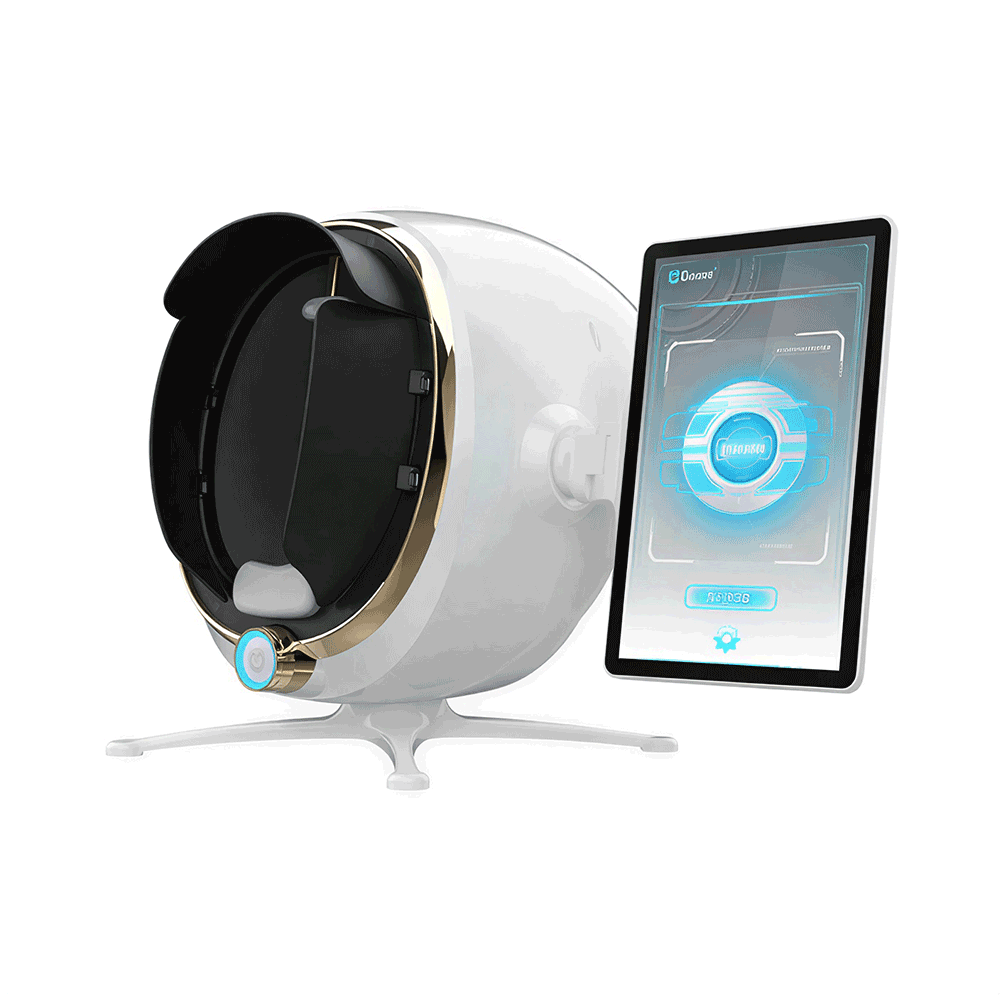
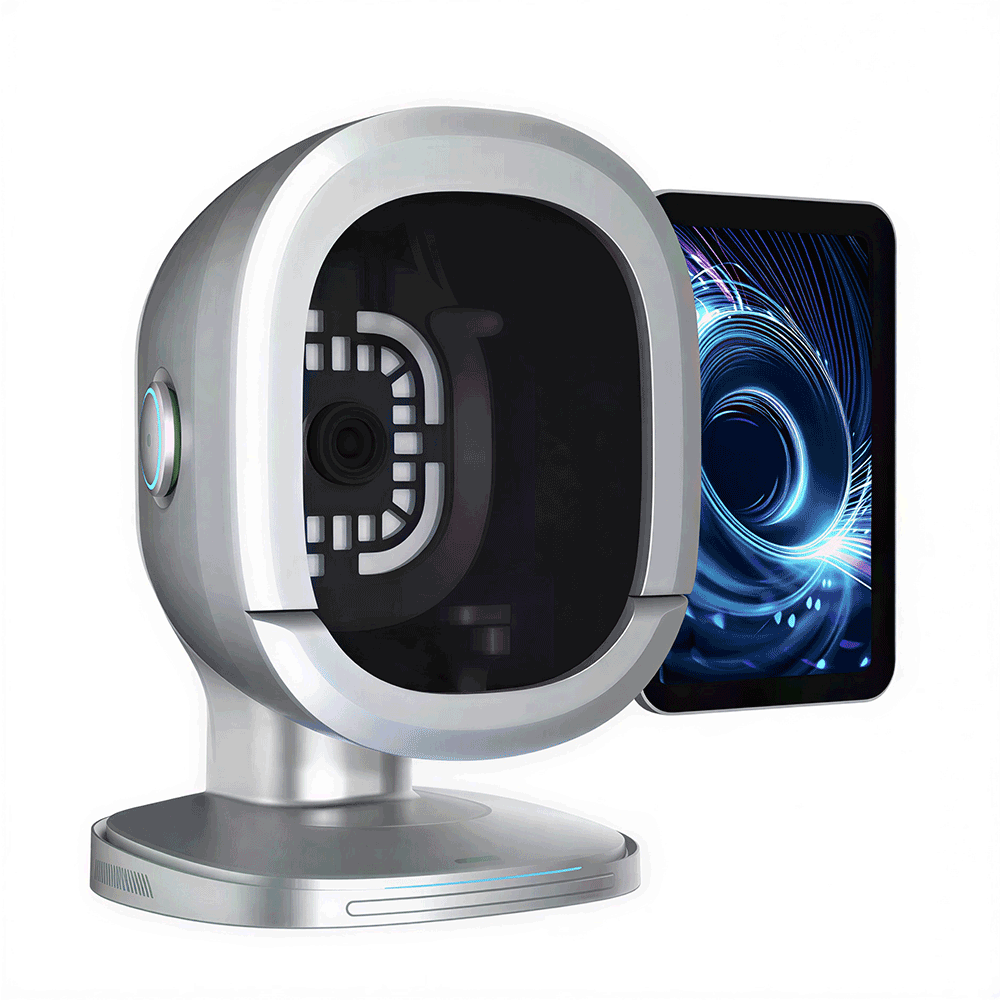
Skin Analysis Machine: How It Works, Types, Benefits, Expectations, Cost & Buying Guide

Share This Website
Summary
A skin analysis machine is no longer a luxury add-on—it is a foundational diagnostic tool in modern aesthetic practice. With advances in AI-driven imaging, these systems deliver objective, data-backed skin assessments that enhance treatment accuracy, client trust, and revenue potential. This guide breaks down how they work, their categories, clinical value, pricing structure, and how to select the right system for your business.
What Is a Skin Analysis Machine?
A skin analysis machine is a professional diagnostic device that evaluates skin conditions using high-resolution imaging, multispectral light, and AI-powered algorithms. It provides quantifiable data on:
- Wrinkles and fine lines
- Pigmentation (epidermal and dermal)
- Pore size and congestion
- Sebum levels
- Skin texture and elasticity
- UV damage and underlying conditions
Unlike manual consultation, these machines remove subjectivity and standardize treatment planning.
How Does a Skin Analysis Machine Work?
At a technical level, most advanced systems combine optical imaging + spectral analysis + AI modeling:
1. Multi-Light Imaging
Different light modes capture distinct skin layers:
- RGB light: Surface texture and tone
- UV light: Sun damage, bacteria, hidden pigmentation
- Polarized light: Vascular conditions and redness
- Cross-polarized light: Subsurface pigmentation
2. Image Capture & Mapping
High-resolution cameras scan the face and map zones (T-zone, cheeks, jawline, etc.).
3. AI Algorithm Processing
Machine learning models analyze:
- Pattern recognition (wrinkles, pores)
- Density mapping (pigment clusters)
- Comparative databases (age, ethnicity benchmarks)
4. Report Generation
The system outputs:
- Visual overlays
- Numerical scores
- Treatment recommendations
- Before/after simulation (in some systems)
What Are the Types of Skin Analysis Machines?
1. Basic Imaging Systems
- Entry-level facial scanners
- Standard RGB imaging
- Suitable for small salons
2. Multispectral Skin Analyzers
- Combine UV, polarized, and RGB light
- More accurate diagnostic capability
- Ideal for professional clinics
3. AI-Powered Skin Analysis Machines
- Cloud-based or embedded AI systems
- Predictive skin aging simulations
- Automated treatment suggestions
4. 3D Skin Analysis Systems
- Capture facial topography
- Analyze volume loss and wrinkle depth
- Often used in medical aesthetic clinics
5. Portable / Tablet-Based Analyzers
- Compact and mobile
- Lower cost
- Suitable for consultations and retail environments
Skin Analysis Online Tool vs. Professional Skin Analysis Machine
| Feature | Online Tool | Professional Machine |
|---|---|---|
| Accuracy | Low–Moderate | High |
| Imaging Depth | Surface only | Multi-layer |
| AI Capability | Limited | Advanced |
| Clinical Use | No | Yes |
| Client Trust | Moderate | Very High |
| ROI Potential | Minimal | Significant |
Conclusion: Online tools are marketing tools. Professional machines are clinical assets.
How AI Skin Analysis Is Revolutionizing Skincare
AI has fundamentally changed skin diagnostics by enabling:
- Predictive aging models
- Hyper-personalized treatment plans
- Automated product recommendations
- Continuous learning from global datasets
This transition moves skincare from reactive to proactive, allowing clinics to design long-term treatment pathways rather than one-off services.
The Benefits of a Skin Analysis Machine
Clinical Benefits
- Objective skin diagnosis
- Early detection of underlying conditions
- Improved treatment precision
Business Benefits
- Increased consultation conversion rates
- Higher ticket treatments
- Stronger client retention
Marketing Benefits
- Visual proof for clients
- Before-and-after tracking
- Enhanced credibility and authority
Who Should Get Skin Analysis Services?
- Aesthetic clinics and dermatology practices
- Medical spas and high-end salons
- Estheticians offering advanced treatments
- Beauty equipment distributors demonstrating devices
- Clinics specializing in anti-aging, acne, or pigmentation
What to Expect During Skin Analysis Services
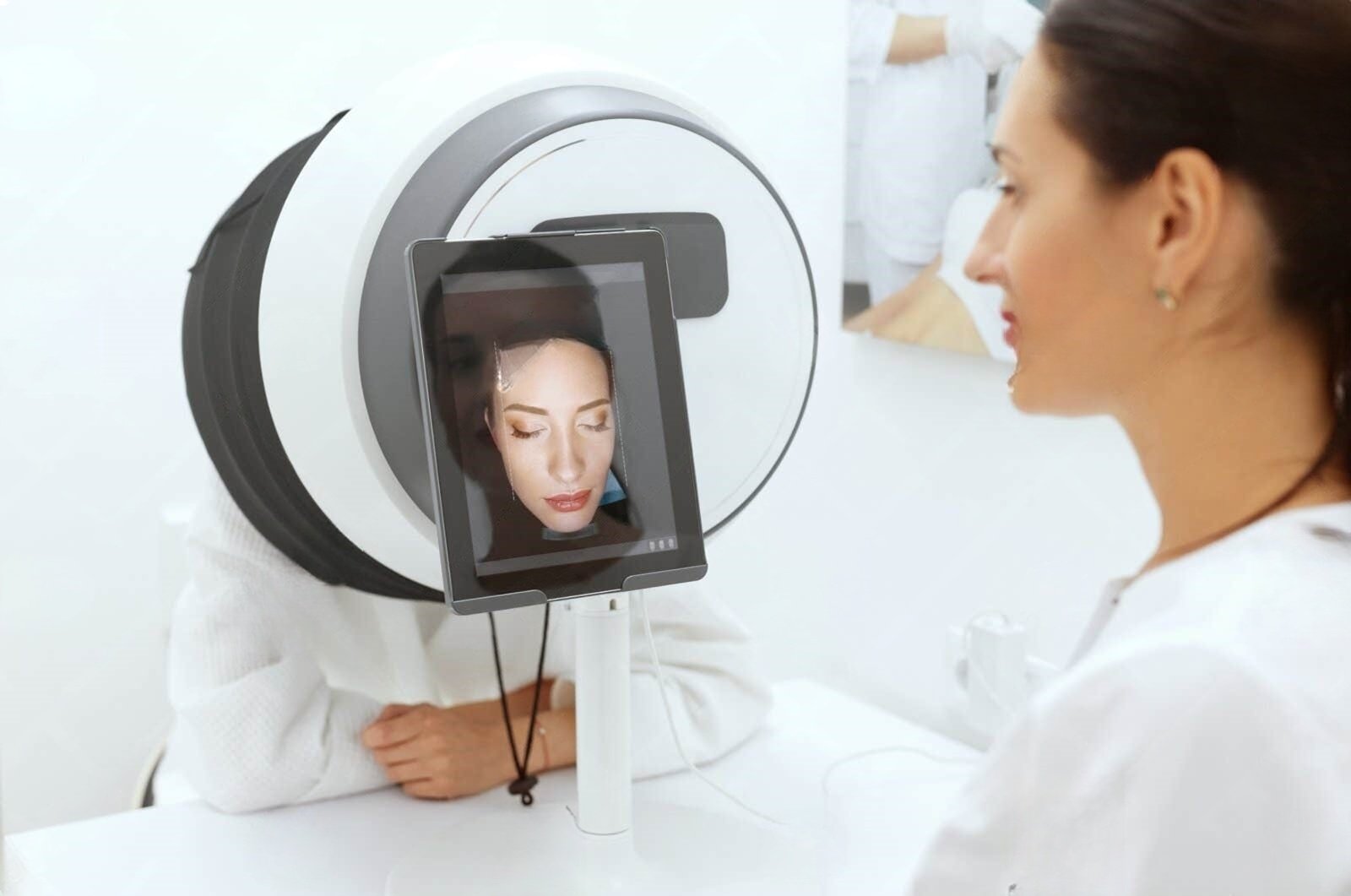
A typical session follows a structured workflow:
- Client Consultation
- Skin concerns, history, lifestyle factors
- Preparation
- Clean face, remove makeup
- Imaging Scan
- Takes 10–30 seconds
- Analysis Review
- Visual report + explanation
- Treatment Planning
- Customized protocol
- Product Recommendation
- Based on diagnostic data
Duration: 15–30 minutes
How Much Does Skin Analysis Services Cost?
For Clients
- Basic scan: $20 – $50
- Advanced AI analysis: $50 – $150
- Often bundled with treatments
For Businesses (Machine Investment)
- Entry-level: $500 – $2,000
- Mid-range professional: $2,000 – $6,000
- Advanced AI systems: $6,000 – $20,000+
ROI Insight
Clinics typically recover investment within 3–6 months through:
- Consultation fees
- Upselling treatments
- Product sales
How to Choose the Best Skin Analysis Machine
1. Imaging Technology
Look for:
- Multi-spectrum capability
- High-resolution camera
2. AI Software Quality
- Database size
- Accuracy of reports
- Update frequency
3. User Interface
- Easy for staff to operate
- Clear client reports
4. Integration Capability
- CRM or clinic software compatibility
- Cloud storage
5. After-Sales Support
- Training
- Warranty
- Software updates
6. ROI Potential
- Can it increase conversions?
- Does it support upselling?
Smart Ice Blue Hydra Dermabrasion machine
Professional Skin Analysis Machine AI 3D Facial Skin Scanner for Sale
M9 Skin Analysis Machine Professional 3-Spectrum Facial Skin Analyzer System
B3 AI Facial Skin Analyzer 5 Spectrum Imaging Skin Analysis Machine
Enhance Your Esthetician Services with Salonmachines
Integrating a professional skin analysis system into your service menu positions your business as a data-driven, results-oriented clinic. It transforms consultations into high-value experiences and builds long-term client trust.
For distributors, it becomes a powerful demonstration tool, enabling clients to see immediate value in advanced aesthetic devices.
Takeaways
- Skin analysis machines are essential for modern aesthetic practice
- AI technology significantly improves diagnostic accuracy
- They drive both clinical outcomes and business growth
- Choosing the right system depends on technology, usability, and ROI
- Early adoption creates competitive advantage in saturated markets