
Diode Laser Hair Removal: Benefits, Risks, Recovery, Cost & Professional Treatment Guide for Clinics and Med Spas
Share This Website
Diode Laser Hair Removal: The Professional Standard for Long-Term Hair Reduction
Unwanted hair remains one of the most requested aesthetic concerns in modern cosmetic clinics, dermatology centers, medical spas, and advanced esthetic practices. While shaving, waxing, threading, and depilatory creams provide temporary improvement, these methods rarely address the biological root of hair regrowth.
Diode laser hair removal has emerged as one of the most effective non-invasive technologies for long-term hair reduction because it targets hair follicles with precision while minimizing damage to surrounding tissue. Today, diode systems are considered the gold-standard investment for many aesthetic clinics due to their balance of efficacy, patient comfort, treatment speed, and compatibility across multiple skin types.
Unlike older IPL systems that disperse broad-spectrum light, diode laser platforms deliver concentrated wavelengths engineered specifically for melanin absorption within the follicular unit. This allows practitioners to achieve more consistent follicular destruction while reducing epidermal trauma.
For clinic owners, distributors, estheticians, and medical professionals, understanding the science, safety profile, patient selection criteria, and commercial value of diode laser technology is essential for building profitable and trustworthy hair removal services.
What Is a Diode Laser?
A diode laser is a semiconductor-based laser system that generates a concentrated beam of coherent light, commonly operating at wavelengths such as:
- 755nm
- 808nm
- 810nm
- 940nm
- 1064nm
Among these, the 808nm diode laser has become the most widely used wavelength for professional hair removal because it provides an ideal balance between melanin absorption and tissue penetration depth.
The diode laser targets melanin inside the hair shaft and follicle. Once absorbed, the laser energy converts into heat, thermally damaging the follicular stem cells responsible for future hair growth.
Modern professional systems frequently combine multiple wavelengths into one platform:
| Wavelength | Primary Function | Best For |
|---|---|---|
| 755nm Alexandrite | High melanin absorption | Fair skin, fine hair |
| 808nm Diode | Balanced penetration and safety | Most skin types |
| 1064nm Nd:YAG | Deep penetration | Darker skin types |
This multi-wavelength approach enables clinics to treat a wider demographic safely and effectively.
How Does Diode Laser Hair Removal Work?
Hair grows in cycles:
- Anagen (active growth)
- Catagen (transition)
- Telogen (resting phase)
Laser hair removal is most effective during the anagen phase because the follicle contains the highest concentration of melanin connected to the dermal papilla.
The treatment process involves:
- Laser energy penetrates the skin
- Melanin absorbs the energy
- Heat damages the follicle
- Future hair growth becomes inhibited
Because not all follicles are simultaneously in the anagen phase, multiple sessions are required to achieve substantial reduction.
Selective Photothermolysis
The core scientific principle behind diode laser treatment is selective photothermolysis — controlled thermal injury directed specifically at pigmented hair structures while preserving surrounding skin.
This precision is what differentiates advanced medical laser systems from outdated or low-powered cosmetic devices.
Why Diode Laser Technology Dominates Modern Hair Removal Clinics
Diode laser systems have become commercially dominant because they combine:
- Fast treatment speeds
- High repetition rates
- Large spot sizes
- Consistent penetration depth
- Improved patient comfort
- Lower complication rates
- Broad Fitzpatrick skin compatibility
For high-volume clinics, treatment efficiency directly impacts profitability. A professional diode platform can complete:
- Full legs in under 45 minutes
- Full back treatments rapidly
- Large-area sessions with minimal downtime
This operational efficiency significantly increases daily treatment capacity.
Diode Laser vs Other Hair Removal Lasers
Choosing the correct laser technology depends on patient skin type, hair color, treatment goals, and practitioner experience.
Diode Laser vs Alexandrite Laser
| Feature | Diode Laser | Alexandrite Laser |
|---|---|---|
| Wavelength | 808nm | 755nm |
| Penetration | Moderate-deep | More superficial |
| Best Skin Types | I–V | I–III |
| Comfort | More comfortable | Higher discomfort |
| Dark Skin Safety | Better | Increased risk |
| Fine Hair Removal | Good | Excellent |
Alexandrite lasers work exceptionally well on lighter skin with fine hair but carry greater pigmentation risks for darker skin tones.
Diode Laser vs Nd:YAG Laser
| Feature | Diode Laser | Nd:YAG Laser |
|---|---|---|
| Wavelength | 808nm | 1064nm |
| Pain Level | Moderate | Higher |
| Dark Skin Safety | Good | Excellent |
| Hair Removal Speed | Fast | Moderate |
| Melanin Absorption | Higher | Lower |
| Depth Penetration | Moderate | Deep |
Nd:YAG systems are ideal for darker Fitzpatrick types because lower melanin absorption reduces epidermal injury risk.
Diode Laser vs IPL
Many consumers mistakenly assume IPL is a true laser.
It is not.
IPL (Intense Pulsed Light) uses broad-spectrum light rather than a focused coherent wavelength. As a result:
- IPL is less selective
- Requires more sessions
- Produces less consistent results
- Carries higher burn risk on darker skin
Professional diode systems generally outperform IPL platforms in both safety and efficacy.
The Benefits of Diode Laser Hair Removal
Long-Term Hair Reduction
One of the primary advantages is durable follicular suppression after a complete treatment series.
Patients often experience:
- 70%–95% reduction
- Finer regrowth
- Slower regrowth cycles
- Reduced folliculitis
Precision Targeting
Diode systems selectively target coarse dark hairs while preserving adjacent tissue integrity.
This precision is especially valuable for:
- Facial contouring
- Bikini treatments
- Beard shaping
- Sensitive areas
Faster Treatment Sessions
Modern high-frequency diode platforms allow rapid coverage of large body areas.
Large sapphire cooling tips also improve glide motion efficiency.
Reduced Ingrown Hairs
Laser treatment significantly decreases pseudofolliculitis and chronic ingrown hair inflammation.
This is especially beneficial for:
- Athletes
- Men with coarse beard growth
- Patients prone to razor bumps
Improved Patient Comfort
Advanced cooling technologies include:
- TEC cooling
- Sapphire contact cooling
- Cryogen cooling
- Air cooling systems
These reduce epidermal heat buildup and improve tolerability.
Are There Risks or Side Effects With Diode Laser Hair Removal?
When performed correctly using medical-grade equipment, diode laser treatment has an excellent safety profile. However, complications can occur when:
- Incorrect parameters are used
- Patient contraindications are ignored
- Inexperienced operators perform treatment
- Low-quality machines are utilized
Common Temporary Side Effects
Most post-treatment reactions are mild and transient:
- Redness
- Perifollicular edema
- Mild swelling
- Temporary warmth
- Sensitivity
These typically resolve within several hours to 48 hours.
Potential Complications
Improper treatment settings may lead to:
- Burns
- Hyperpigmentation
- Hypopigmentation
- Blistering
- Crusting
- Scarring
Risk increases significantly with:
- Recent sun exposure
- Tanned skin
- Incorrect wavelength selection
- Aggressive fluence levels
Healing, Recovery & Scarring Concerns
One of the most common patient questions is whether laser hair removal causes permanent scars.
In properly performed treatments, scarring is extremely rare.
Most patients experience only temporary erythema and mild follicular swelling.
Healing Timeline
| Time After Treatment | Typical Response |
|---|---|
| 0–24 Hours | Redness and warmth |
| 24–72 Hours | Mild sensitivity |
| 1–2 Weeks | Hair shedding phase |
| 3–6 Weeks | Reduced regrowth visible |
Patients should avoid:
- Hot saunas
- Excessive exercise
- Direct sun exposure
- Aggressive exfoliation
during early recovery.
What Areas Can Be Treated With Diode Laser?
Professional diode systems can treat nearly all major body areas.
Popular Treatment Zones
Facial Areas
- Upper lip
- Chin
- Sideburns
- Jawline
Body Areas
- Underarms
- Arms
- Legs
- Chest
- Abdomen
- Back
Intimate Areas
- Bikini line
- Brazilian area
Male grooming treatments are also rapidly growing globally.
Who Is an Ideal Candidate?
Ideal candidates generally include patients with:
- Darker hair
- Lighter skin
- Realistic expectations
- No active skin infection
- No photosensitive disorders
However, modern multi-wavelength diode systems can now safely treat many darker skin tones as well.
Patients Requiring Extra Caution
Practitioners should carefully evaluate:
- Pregnant patients
- Active acne outbreaks
- Isotretinoin users
- Patients with melasma
- Individuals with keloid history
A full consultation and Fitzpatrick assessment remain essential.
How to Prepare Before Diode Laser Hair Removal
Proper preparation dramatically improves treatment safety and outcomes.
Before Treatment Patients Should:
- Shave treatment area 24 hours before
- Avoid waxing for 4–6 weeks
- Avoid sun exposure
- Stop self-tanners
- Avoid photosensitizing medications when possible
Why Waxing Must Be Avoided
Laser systems require intact follicles for melanin targeting. Waxing removes the follicular target entirely.
What Happens During the Procedure?
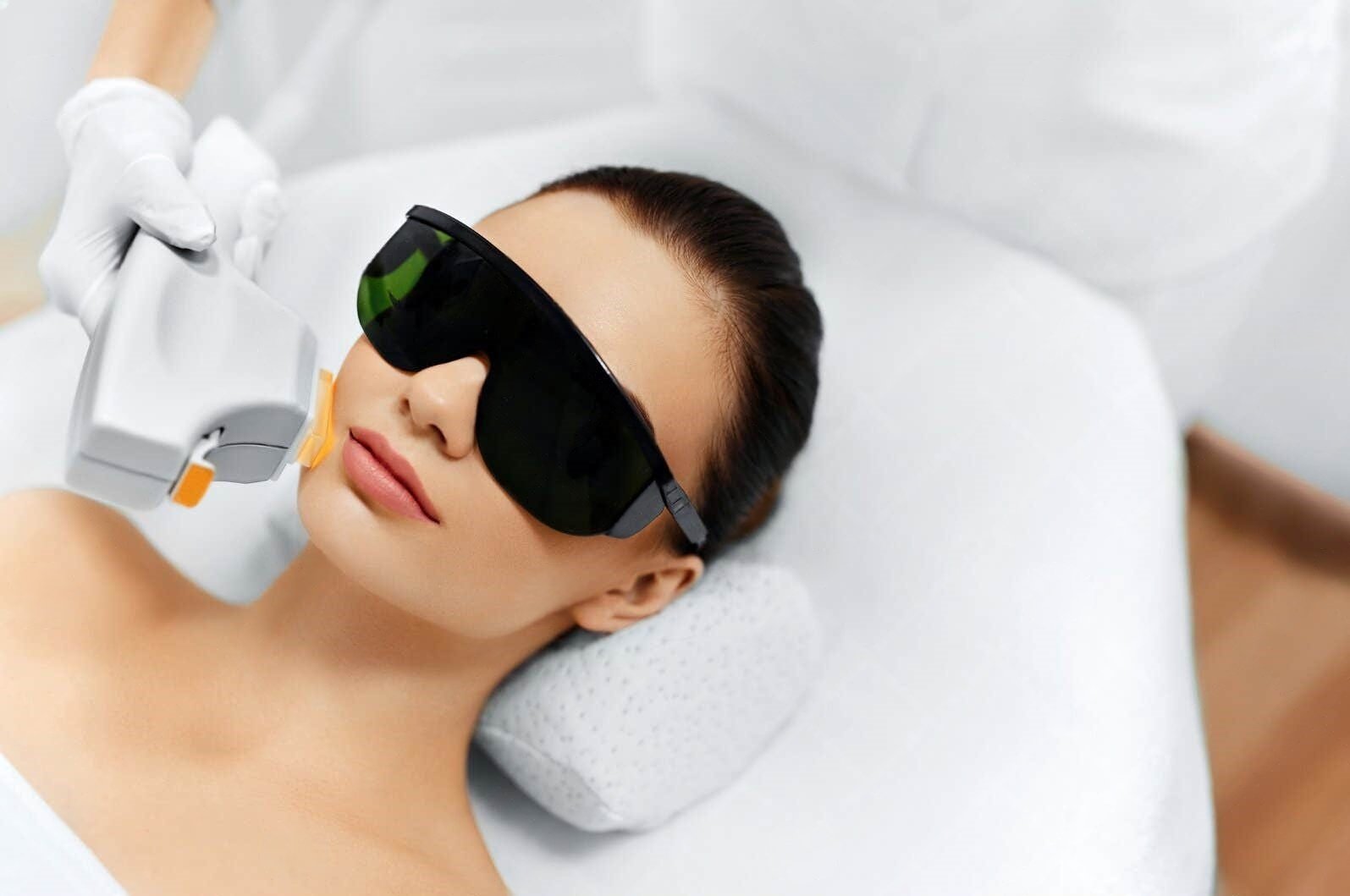
A typical professional diode laser session includes:
- Skin cleansing
- Parameter adjustment
- Cooling gel or cooling activation
- Laser pulse delivery
- Post-treatment soothing care
Patients often describe sensation as:
- Rubber band snapping
- Mild heat pulses
- Temporary prickling
Modern cooling significantly reduces discomfort.
How Many Sessions Are Needed?
Hair reduction is progressive rather than immediate.
Most patients require:
- 6–10 sessions
- 4–8 week intervals
- Maintenance sessions annually
Treatment variables include:
- Hormones
- Ethnicity
- Hair density
- Body area
- Genetics
Facial hair often requires more maintenance than body hair.
Diode Laser Hair Removal Aftercare
Post-treatment care directly impacts complication rates.
Recommended Aftercare
- Apply SPF 50+
- Keep skin hydrated
- Avoid excessive heat
- Use gentle skincare
- Avoid picking shedding hairs
Temporary Hair Shedding
Patients often mistake shedding follicles for regrowth.
In reality, treated follicles gradually expel damaged hairs over 1–3 weeks.
How Much Does Diode Laser Hair Removal Cost?
Pricing varies substantially based on:
- Geographic region
- Clinic reputation
- Device technology
- Practitioner expertise
- Treatment area size
Average Pricing Estimates
| Treatment Area | Average Price Per Session |
|---|---|
| Upper Lip | $50–$150 |
| Underarms | $80–$250 |
| Bikini | $100–$350 |
| Full Legs | $250–$700 |
| Full Back | $300–$900 |
Premium clinics using advanced cooling multi-wavelength platforms typically command higher pricing.
How Clinics Choose the Best Diode Laser Hair Removal Machine
For clinic owners and distributors, machine selection directly influences:
- ROI
- Patient satisfaction
- Safety profile
- Treatment versatility
- Maintenance costs
Key Features to Evaluate
Wavelength Combination
Modern systems combining:
- 755nm
- 808nm
- 1064nm
offer broader treatment versatility.
Cooling Technology
Strong cooling improves:
- Comfort
- Safety
- Operator confidence
- Energy delivery consistency
Energy Stability
Consistent fluence output is critical for reproducible clinical outcomes.
Low-cost unstable systems often produce inconsistent results and higher complication rates.
Spot Size
Larger spot sizes improve:
- Speed
- Penetration depth
- Workflow efficiency
Clinical Support and Training
Reliable manufacturers should provide:
- Technical support
- Clinical education
- Parameter guidance
- Warranty coverage
Why Advanced Clinics Are Expanding Diode Laser Services
Global demand for non-invasive aesthetic procedures continues to rise rapidly.
Diode laser hair removal remains one of the most profitable recurring services because it offers:
- High patient retention
- Repeat treatment cycles
- Upsell opportunities
- Minimal consumable cost
- Strong treatment satisfaction
For medical spas and clinics, it also creates entry pathways into broader energy-based aesthetic treatments.
Enhance Your Esthetic Services With Salon Equipment Solutions
Professional-grade diode laser systems can significantly elevate clinic positioning, treatment capability, and revenue potential.
Clinics investing in advanced platforms increasingly prioritize:
- Multi-wavelength flexibility
- Stable energy delivery
- Intelligent cooling systems
- Fast treatment performance
- Long operational lifespan
For distributors and clinic owners, selecting reliable aesthetic technology is not only a purchasing decision — it is a long-term brand reputation investment.
Explore professional aesthetic equipment solutions through Salonmachines.com and advanced beauty device collections at Skintechx.com.
Frequently Asked Questions
1. Is diode laser hair removal permanent?
2. Is diode laser safe for darker skin tones?
3. Does diode laser hair removal hurt?
4. How soon do results appear?
5. Can blonde or gray hair be treated?
6. What happens if patients shave between sessions?
7. Can diode laser treat ingrown hairs?
8. What makes professional diode machines different from home devices?
Final Thoughts
Diode laser hair removal continues to define the modern standard for long-term aesthetic hair reduction because it combines scientific precision, operational efficiency, and scalable clinical profitability.
For estheticians, dermatology providers, medical spas, and clinic owners, mastering diode laser technology means more than offering a popular service — it means delivering predictable outcomes, patient confidence, and sustainable business growth in an increasingly competitive aesthetic market.